Software Development
Software development is the process of designing, coding, testing, and maintaining applications or systems to meet user needs and business requirements.
Software development is the process of designing, coding, testing, and maintaining applications or systems to meet user needs and business requirements.
Programming languages are the foundation of software development, enabling developers to communicate with computers and create applications, websites, and various digital solutions. They can be broadly categorized into low-level languages (such as Assembly and C) and high-level languages (such as Python, Java, and JavaScript). High-level languages are easier to read and write, offering features like automatic memory management, object-oriented programming (OOP), and platform independence. Languages like C++ are widely used for system programming and game development, while Python is popular in data science, AI, and web development due to its simplicity and vast libraries.
Each programming language is designed for specific use cases. For instance, JavaScript is essential for web development, working alongside HTML and CSS to create interactive websites. Java is a preferred choice for enterprise applications, mobile development (Android), and backend services. Swift is the primary language for iOS development, while Kotlin is gaining popularity for Android development. SQL is crucial for database management, allowing efficient storage, retrieval, and manipulation of data. Meanwhile, languages like R and MATLAB are used in scientific computing and statistical analysis.
The future of programming languages is evolving with advancements in AI, quantum computing, and low-code/no-code platforms. Rust is emerging as a powerful language for system-level programming due to its focus on memory safety and performance. Go (Golang) is favored for cloud computing and microservices because of its simplicity and efficiency. Quantum programming languages like Q# and Quipper are being developed for quantum computing applications. As technology advances, developers must stay updated with new languages and frameworks to remain competitive in the ever-changing software industry.
Click here for more information

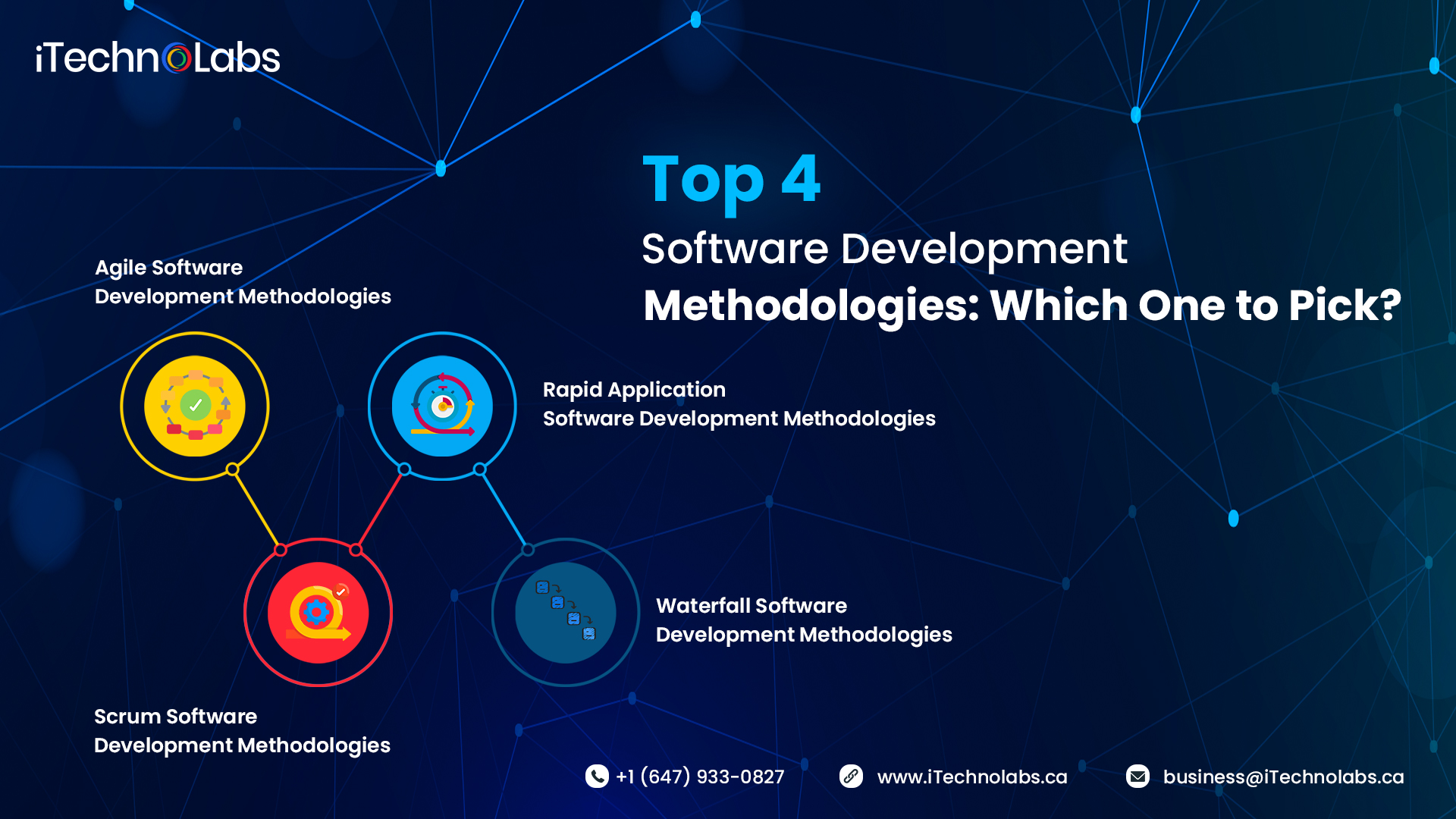
Software development methodologies are structured approaches used to plan, design, develop, test, and deploy software applications efficiently. These methodologies help teams manage projects, improve collaboration, and ensure high-quality software delivery. The choice of methodology depends on factors such as project size, complexity, and team structure. Some of the most popular methodologies include Waterfall, Agile, Scrum, Kanban, and DevOps.
The Waterfall model is a traditional approach where development follows a linear sequence of phases, such as requirement gathering, design, implementation, testing, deployment, and maintenance. It is best suited for projects with well-defined requirements and minimal changes. However, its rigid structure makes it less adaptable to evolving project needs. On the other hand, Agile methodologies focus on iterative and incremental development, promoting flexibility, collaboration, and continuous improvement. Scrum, a popular Agile framework, divides work into sprints (short development cycles), allowing teams to respond to changes quickly. Kanban, another Agile approach, emphasizes visual workflow management to improve efficiency and limit work-in-progress.
DevOps is an advanced methodology that integrates development (Dev) and operations (Ops) to enable continuous integration, continuous deployment (CI/CD), and automation. It enhances software quality, accelerates delivery, and improves collaboration between development and IT operations teams. The future of software development methodologies is shifting towards AI-driven development, cloud-based collaboration, and hybrid models that combine the best practices from multiple methodologies. By selecting the right approach, organizations can optimize productivity, reduce risks, and ensure successful project completion.
Click here for more information
Web development is the process of creating websites and web applications for the internet. It involves various technologies, frameworks, and programming languages to design, build, and maintain functional, interactive, and user-friendly web solutions. Web development is categorized into front-end development, back-end development, and full-stack development. Front-end development focuses on the user interface (UI) and user experience (UX) using technologies like HTML, CSS, and JavaScript. Back-end development involves server-side logic, databases, and APIs, utilizing languages such as Python, PHP, Node.js, and Java. Full-stack developers handle both front-end and back-end development, ensuring seamless integration between the user interface and server-side processes.
Modern web development has evolved with the use of frameworks and libraries such as React, Angular, Vue.js, Django, Laravel, and Express.js, which simplify coding and enhance performance. Additionally, web developers leverage content management systems (CMS) like WordPress, Joomla, and Drupal for building and managing websites efficiently. With the rise of progressive web applications (PWAs), single-page applications (SPAs), and cloud-based web services, web development continues to expand in scope and complexity
The future of web development is driven by artificial intelligence (AI), machine learning (ML), voice search optimization, and Web3 technologies like blockchain. Developers are focusing on responsive design, cybersecurity measures, and faster-loading websites to enhance user experience and meet the growing demand for digital solutions. As the internet evolves, web development will continue to shape how businesses and individuals interact online, making it an essential skill in the digital age.................
Click here for more information
Mobile app development is the process of creating software applications that run on mobile devices such as smartphones and tablets. It involves designing, coding, testing, and deploying applications for platforms like Android and iOS. Mobile apps can be developed using native, hybrid, or cross-platform technologies. Native apps are built specifically for a platform using languages like Swift (iOS) and Kotlin/Java (Android), providing optimal performance and user experience. Hybrid apps, developed with web technologies like HTML, CSS, and JavaScript, run inside a native container, enabling deployment across multiple platforms. Cross-platform development utilizes frameworks such as Flutter, React Native, and Xamarin, allowing developers to write code once and deploy it across different operating systems.
The mobile app development lifecycle consists of several stages, including requirement analysis, UI/UX design, development, testing, deployment, and maintenance. Developers use tools like Android Studio, Xcode, Firebase, and cloud-based platforms to streamline development and ensure seamless performance. Security is also a crucial aspect, with developers implementing data encryption, authentication, and secure APIs to protect user information. With the rise of artificial intelligence (AI), augmented reality (AR), virtual reality (VR), and 5G technology, mobile applications are becoming more advanced, interactive, and efficient.
The future of mobile app development is driven by trends such as progressive web apps (PWAs), AI-powered apps, IoT integration, blockchain-based applications, and super apps that combine multiple services into one platform. Businesses are increasingly focusing on personalized user experiences, cloud computing, and mobile-first design to engage users effectively. As smartphones continue to evolve, mobile app development will remain a key industry, shaping how people interact with technology daily...............
Click here for more information
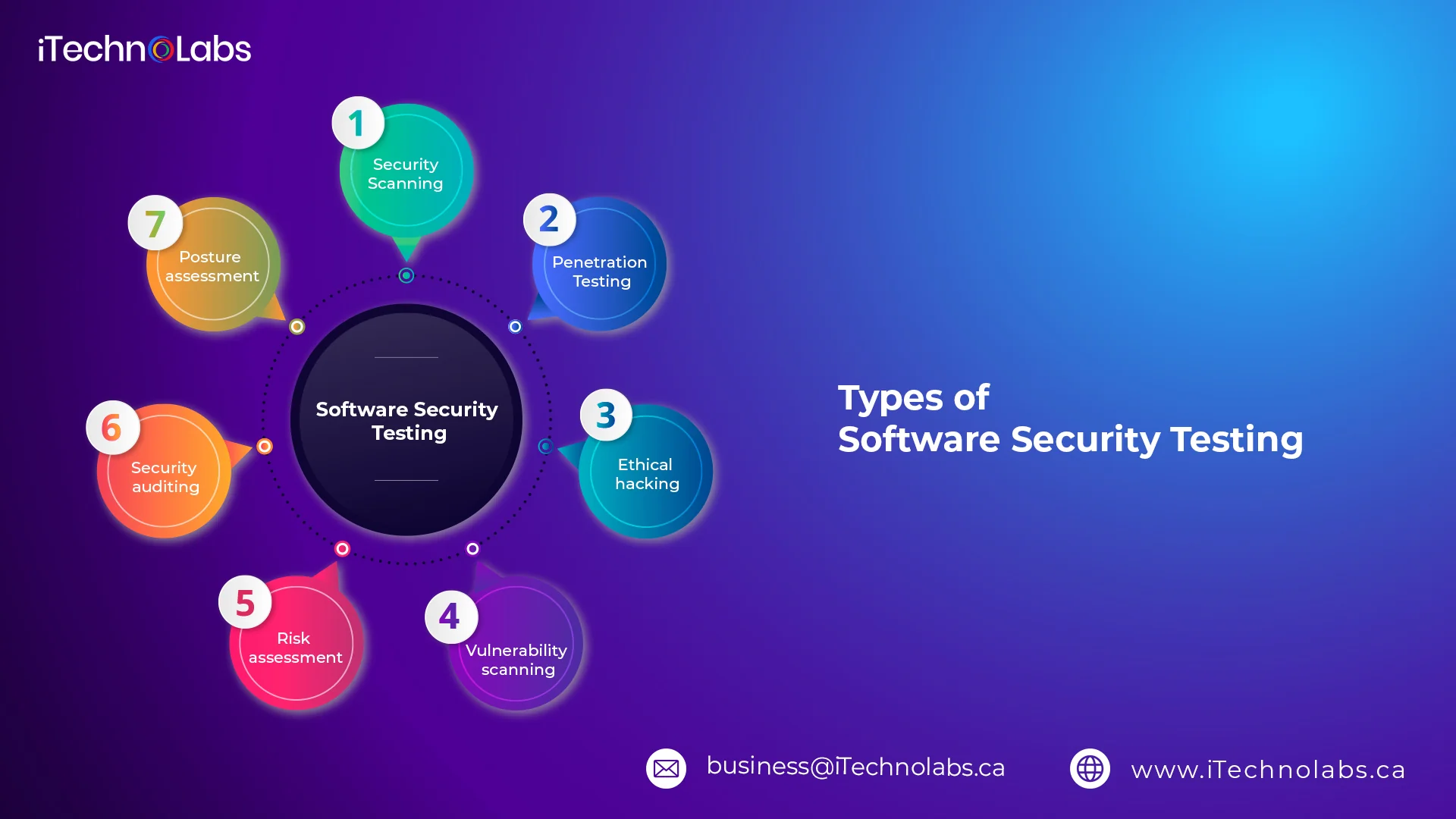
Software security and testing are critical aspects of the software development lifecycle (SDLC), ensuring that applications are secure, reliable, and resistant to cyber threats. Software security focuses on protecting applications from vulnerabilities such as SQL injection, cross-site scripting (XSS), buffer overflows, and unauthorized access. Developers implement security measures like encryption, authentication, authorization, and secure coding practices to safeguard sensitive data. Security frameworks such as OWASP, NIST, and ISO 27001 help in setting standards for secure software development. Additionally, penetration testing (ethical hacking) is used to simulate cyberattacks and identify weaknesses before they can be exploited.
Software testing involves verifying that the application functions correctly, meets requirements, and is free from defects. Testing can be classified into functional and non-functional testing. Functional testing ensures that software features work as expected, while non-functional testing focuses on aspects like performance, security, usability, and scalability. Common testing methods include unit testing, integration testing, system testing, acceptance testing, and regression testing. Automated testing tools like Selenium, JUnit, Appium, and TestNG help speed up the process and improve accuracy. Security testing, a subset of software testing, includes techniques like vulnerability scanning, penetration testing, static and dynamic analysis, and compliance testing to ensure the software remains resilient against threats.
As cyber threats evolve, the importance of DevSecOps (Development, Security, and Operations) is increasing. This approach integrates security testing into the CI/CD pipeline, ensuring vulnerabilities are detected and mitigated early in the development process. Emerging technologies such as AI-driven security testing, blockchain security, and cloud security testing are enhancing software security. Companies are investing in zero-trust architectures, biometric authentication, and advanced threat intelligence to protect their applications. With the rise of IoT, cloud computing, and 5G, securing software has become more challenging, making security testing an indispensable part of modern software development.
.........
Click here for more information
Comments