Wearable Technology
1. what is Wearable Technology?
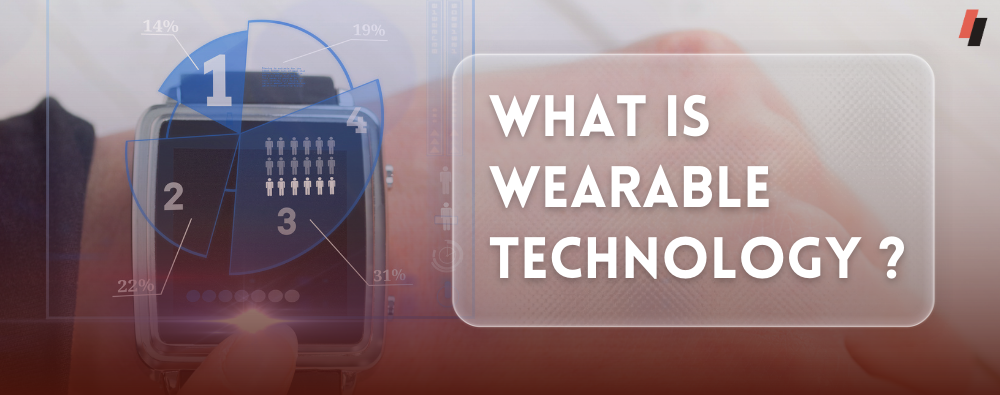
Wearable Technology refers to electronic devices that are worn on the body to track, monitor, and analyze various types of data in real-time. These devices are often equipped with sensors, processors, and communication capabilities to gather and share information. Common examples include smartwatches, fitness trackers, smart glasses, and wearable medical devices. They provide users with insights into their health, fitness, and daily activities. For instance, a smartwatch can track steps, monitor heart rate, and deliver notifications, allowing users to stay connected and maintain a healthier lifestyle.
One major application of wearable technology is in health and fitness. Fitness trackers and smartwatches monitor physical activities like steps, distance traveled, calories burned, and sleep patterns. Some advanced models also track heart rate variability, blood oxygen levels, and even electrocardiograms (ECG). This data helps users maintain fitness goals and detect potential health issues early. In the medical field, wearable devices can continuously monitor patients’ vital signs and alert healthcare providers in case of abnormalities. For example, glucose monitors assist diabetic patients by providing real-time blood sugar readings without the need for frequent finger pricks.
Beyond health, wearable technology is also transforming industries like entertainment, communication, and security. Smart glasses offer augmented reality (AR) experiences by overlaying digital information onto the real world, enhancing both work and entertainment. Wearable communication devices enable hands-free calling and messaging, while body-worn cameras are used by law enforcement for real-time monitoring. The future of wearable technology is advancing with innovations like flexible electronics and biometric authentication, improving convenience and integrating seamlessly with daily life. As technology evolves, wearable devices are expected to become even more intelligent, personalized, and essential in modern living.
2.Smartwatches
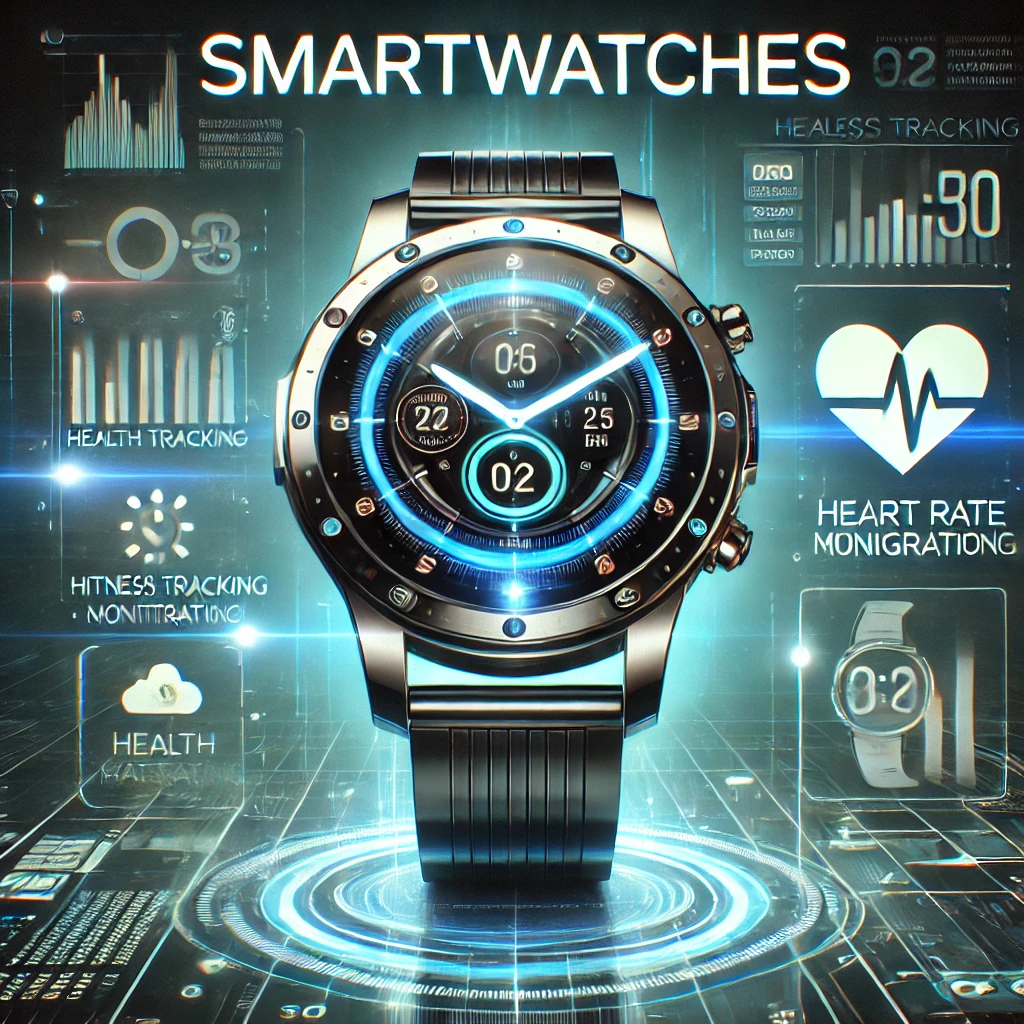
Smartwatchesare advanced wearable devices worn on the wrist that combine the functions of a traditional watch with modern smart technology. They can connect to smartphones via Bluetooth or Wi-Fi, allowing users to receive notifications, make calls, send messages, and access various apps. Smartwatches are equipped with touchscreens and sensors that enable real-time tracking of health and fitness metrics, such as heart rate, step count, sleep patterns, and blood oxygen levels. Popular brands like Apple, Samsung, and Fitbit offer smartwatches with diverse features that cater to both casual users and fitness enthusiasts.
One of the primary uses of smartwatches is health and wellness tracking. These devices monitor vital signs like heart rate and stress levels, providing insights into the user’s physical condition. Many models offer specialized features such as GPS tracking for outdoor activities, workout modes for different sports, and reminders to stay active. Some advanced smartwatches also support medical-grade features, like electrocardiograms (ECG) and fall detection, which can alert emergency contacts if an accident occurs. This makes smartwatches a valuable tool for improving personal health and ensuring safety.
Beyond health, smartwatches also enhance productivity and lifestyle. They provide quick access to notifications, calendar reminders, and navigation without needing to check a smartphone. Users can control smart home devices, pay securely through contactless payment systems, and even stream music directly from their wrists. Innovations in smartwatch technology continue to grow, with new models offering improved battery life, faster processing speeds, and advanced AI capabilities. As smartwatches become more sophisticated, they are evolving into essential everyday companions that blend functionality with style.
3. Fitness Trackers
Fitness Trackers
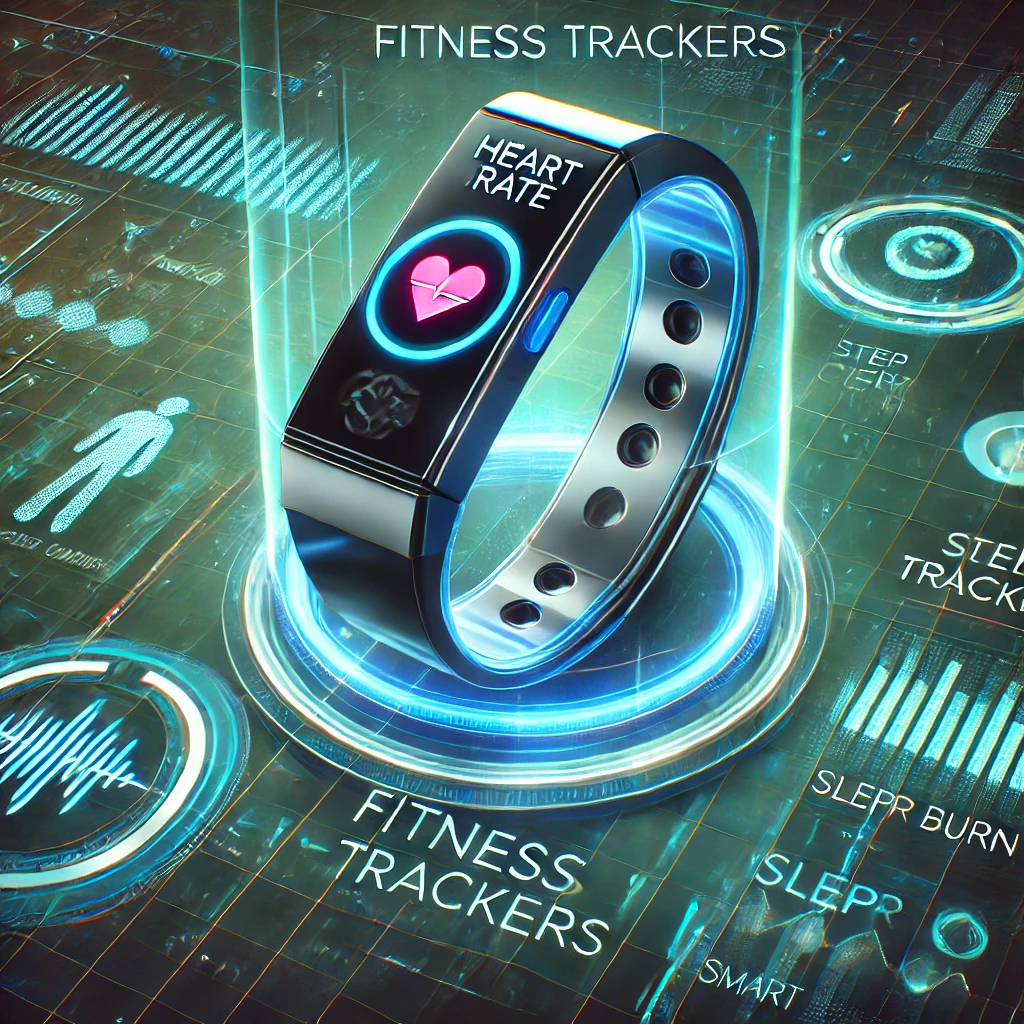
are wearable devices designed to monitor and track various physical activities and health metrics. They are typically worn on the wrist and use advanced sensors to collect data on steps taken, calories burned, heart rate, sleep patterns, and other fitness-related information. These devices sync with smartphones or computers, allowing users to view their progress through dedicated apps. Fitness trackers motivate users to stay active by providing personalized goals, activity reminders, and real-time performance feedback. Popular brands like Fitbit, Garmin, and Xiaomi offer a range of models catering to different fitness levels and lifestyles.
A key feature of fitness trackers is health monitoring. They continuously track vital signs such as heart rate, blood oxygen levels, and sleep quality, offering insights into overall well-being. Many fitness trackers also monitor stress levels and provide guided breathing exercises to promote relaxation. Advanced models include features like ECG monitoring, menstrual cycle tracking, and even hydration reminders. This data helps users identify patterns, make lifestyle changes, and maintain better physical and mental health over time.
Fitness trackers also support goal setting and activity tracking. Users can set personalized goals for steps, active minutes, or calories burned, and receive alerts when targets are achieved. These devices often include specialized workout modes for activities like running, cycling, swimming, and yoga. GPS-enabled trackers provide real-time location tracking and distance measurement, making them ideal for outdoor enthusiasts. As technology advances, fitness trackers continue to evolve with enhanced features like longer battery life, waterproofing, and integration with smart home systems, making them indispensable tools for health-conscious individuals.
4.AR Glasses
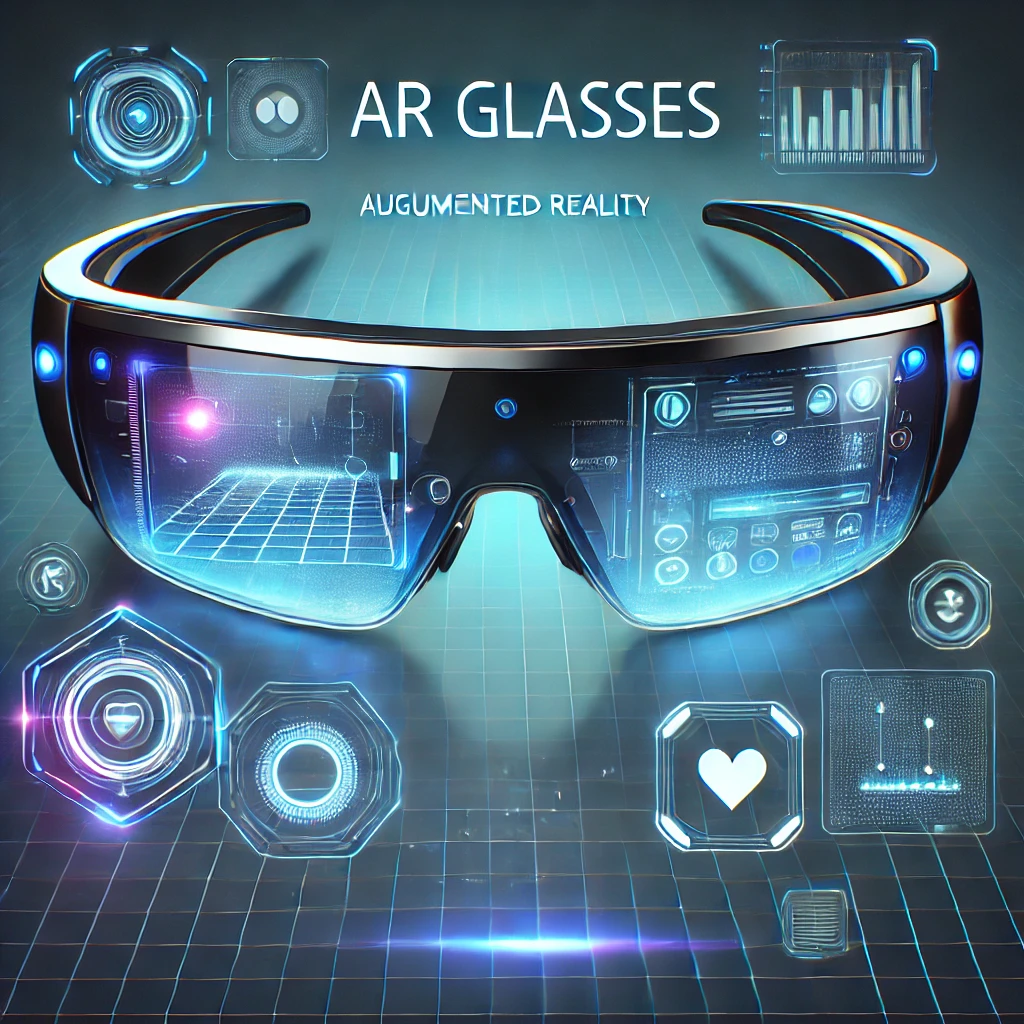
AR Glasses are wearable devices that overlay digital information onto the real world, enhancing the user's environment with virtual elements. These glasses use advanced optics, cameras, and sensors to blend the physical and digital worlds, allowing users to interact with virtual objects in real-time. AR glasses can display information such as navigation directions, notifications, and multimedia content directly in the user's field of vision. Popular models, like Microsoft HoloLens, Magic Leap, and Google Glass, are used in various industries, including healthcare, education, and entertainment, offering hands-free access to digital resources.
One of the main applications of AR glasses is enhancing productivity and collaboration. In industrial settings, workers can access real-time data, schematics, and instructions while performing tasks, reducing errors and improving efficiency. AR glasses also enable remote assistance, allowing experts to guide users through complex processes via live video feeds and augmented annotations. In education, these glasses create immersive learning experiences by projecting 3D models and simulations, making abstract concepts easier to understand. This hands-free technology is especially beneficial in fields where physical interaction is crucial, such as surgery, engineering, and repair work.
AR glasses are also transforming entertainment and consumer experiences. Users can enjoy immersive gaming, virtual tours, and interactive shopping experiences through augmented overlays. For example, AR glasses allow consumers to visualize how furniture will look in their homes before purchasing or receive real-time translations during conversations in foreign languages. As technology advances, AR glasses are becoming more lightweight, affordable, and feature-rich. Future developments aim to improve battery life, enhance visual clarity, and offer seamless integration with smartphones and smart home devices, making AR glasses an essential part of everyday life.
5.IoT-based Medical Devices
IoT-based Medical Devices
are smart healthcare tools that use the Internet of Things (IoT) technology to collect, transmit, and analyze patient data in real-time. These devices are equipped with sensors and internet connectivity, allowing them to monitor vital signs, track patient health, and send information to healthcare providers for remote analysis. Common examples include smart glucose monitors, heart rate monitors, and wearable ECG devices. By providing continuous health monitoring, these devices help in early detection of health issues, improving patient outcomes and reducing the need for frequent hospital visits. This technology enables better patient care through real-time alerts and personalized treatment plans.
One of the major advantages of IoT-based medical devices is their ability to support remote patient monitoring (RPM). Patients with chronic conditions like diabetes or heart disease can be monitored from their homes, reducing hospital visits and allowing timely medical interventions. For instance, smart insulin pumps can deliver precise dosages based on real-time blood sugar levels. Similarly, IoT-enabled pacemakers send heart activity data to healthcare professionals, ensuring that any irregularities are detected early. This connectivity enhances patient safety, improves disease management, and helps doctors make informed decisions.
In addition to improving patient care, IoT-based medical devices contribute to data-driven healthcare. The vast amount of health data collected by these devices can be analyzed to identify trends, improve diagnoses, and develop better treatment protocols. For example, IoT devices in hospitals track patient movements and medication usage, reducing errors and improving workflow efficiency. As technology advances, IoT medical devices are becoming more secure and efficient, with future developments focusing on improving battery life, enhancing data privacy, and integrating with artificial intelligence (AI) for more accurate health predictions and personalized care solutions.

6.Smart Clothing
Smart Clothing
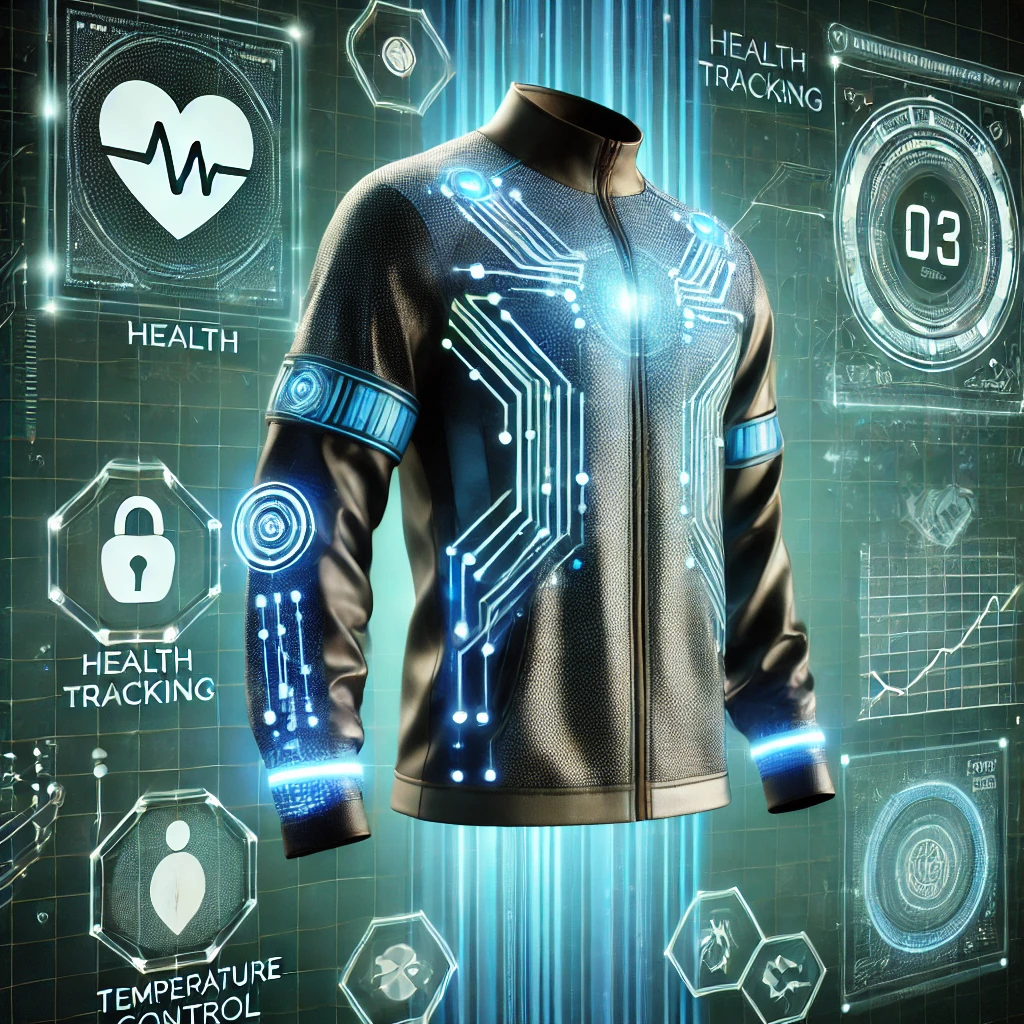
refers to garments embedded with advanced technology, such as sensors, microchips, and connectivity features, to monitor and enhance the wearer's physical activities and health. These garments can track vital signs like heart rate, body temperature, posture, and even stress levels. For example, smart shirts with biometric sensors can monitor breathing patterns and muscle activity, providing real-time data to athletes or patients recovering from injuries. This technology bridges the gap between fashion and functionality, offering personalized insights for health monitoring and lifestyle improvement.
One key advantage of smart clothing is its ability to provide continuous, non-invasive monitoring. Unlike traditional wearables like smartwatches, smart clothing is more discreet and covers a larger surface area, enabling more precise data collection. In healthcare, smart fabrics can track conditions like sleep apnea, monitor patients with chronic diseases, and alert caregivers in case of emergencies. In sports, athletes use smart compression suits to analyze movement patterns and improve performance. This real-time feedback helps users make informed decisions about their health and fitness.
The future of smart clothing looks promising as technology continues to advance. Innovations include self-heating jackets, smart socks that prevent diabetic foot ulcers, and even garments that generate energy through body movement. As these garments become more affordable and integrated with artificial intelligence (AI), they will play a larger role in personalized health management and smart living. However, challenges such as data privacy, durability, and battery life must be addressed to ensure their widespread adoption.
7. Neural Interfaces
Neural Interfaces
are advanced technologies that facilitate direct communication between the human brain and external devices, such as computers or prosthetics. These interfaces, also known as brain-computer interfaces (BCIs), interpret neural signals and translate them into digital commands. They work by detecting electrical activity in the brain through electrodes, which are either implanted surgically or placed on the scalp. This technology enables users to control devices using their thoughts, opening new possibilities for individuals with paralysis or neurological conditions to regain mobility and interact with the world.
One of the most promising applications of neural interfaces is in the medical field. Patients with spinal cord injuries can use BCIs to operate robotic limbs, restoring partial independence. Additionally, neural interfaces are being used to treat conditions like epilepsy and Parkinson’s disease by delivering targeted electrical stimulation to affected brain areas. Researchers are also exploring their potential for restoring lost sensory functions, such as enabling blind individuals to perceive visual information through direct brain stimulation. This groundbreaking technology is transforming healthcare by offering new treatment options for previously incurable conditions.
Beyond healthcare, neural interfaces are revolutionizing industries like communication, gaming, and military applications. In the future, they could enable hands-free control of digital devices, immersive virtual reality experiences, and enhanced cognitive abilities. Companies are developing consumer-level BCIs for applications like typing with thoughts or controlling smart home devices. However, there are significant ethical and security concerns surrounding privacy and the potential misuse of neural data. As the technology advances, addressing these challenges will be crucial to ensure its safe and responsible integration into everyday life.

8. Wearable Payment Systems
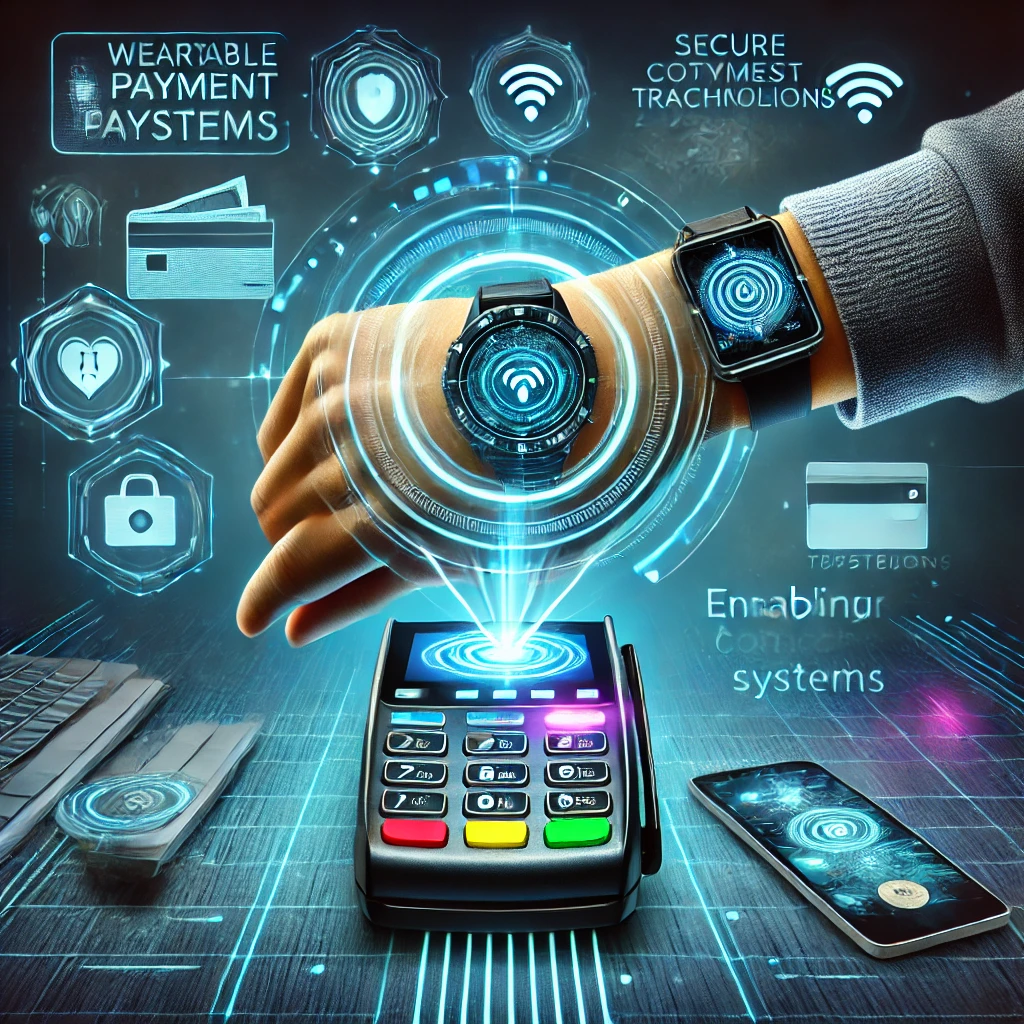
Wearable Payment Systemsare advanced technology solutions that allow users to make contactless payments using wearable devices like smartwatches, fitness trackers, smart rings, or even smart clothing. These devices are embedded with Near Field Communication (NFC) or Radio Frequency Identification (RFID) technology, which enables secure transactions by simply tapping the wearable against a compatible payment terminal. This innovation offers convenience and speed, eliminating the need to carry cash or physical credit cards while enhancing user experiences in everyday transactions.
A significant advantage of wearable payment systems is their ease of use and accessibility. Users can link their bank accounts or digital wallets (like Apple Pay, Google Pay, or Samsung Pay) to their wearable devices, allowing seamless payment in stores, public transport, or even vending machines. These systems are especially useful for people on the go, as they reduce the hassle of carrying multiple cards or cash. Additionally, many wearable payment devices come with advanced security features such as tokenization, encryption, and biometric authentication (like fingerprints or voice recognition), ensuring secure and protected transactions.
The future of wearable payment systems looks promising as technology continues to evolve. With increasing adoption, companies are developing more stylish and discreet payment wearables, such as payment-enabled jewelry or smart fabrics. Moreover, these systems are being integrated into various industries like healthcare, hospitality, and entertainment to offer seamless, contactless experiences. However, as with any digital payment system, ensuring privacy and security remains a priority. Ongoing innovations and regulatory compliance will play a vital role in building trust and expanding the use of wearable payment technologies globally.
Comments