Smart Home Automation
1. what is Smart Home Automation?
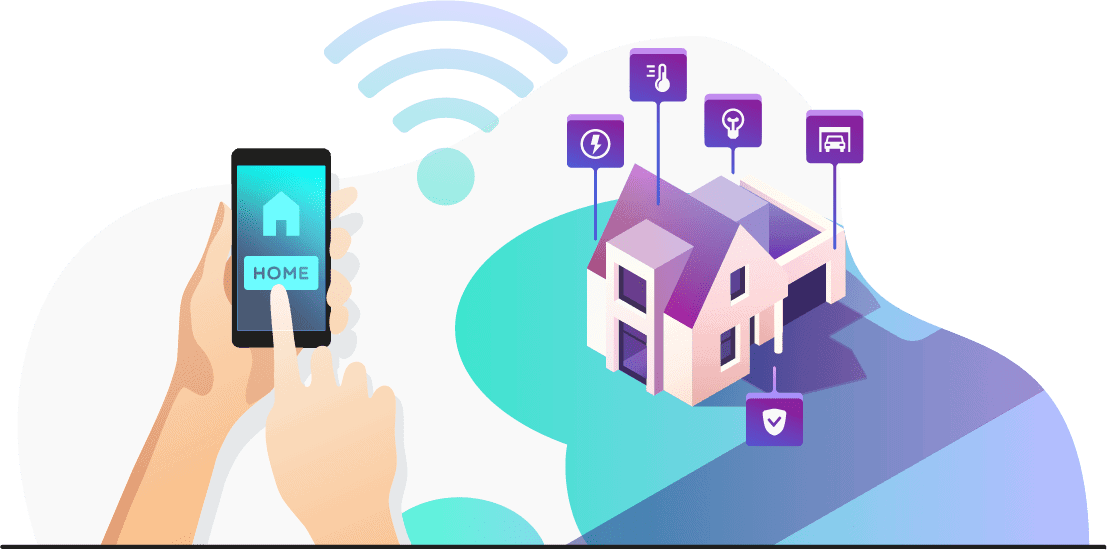
Smart Home Automation refers to the use of advanced technology to control and automate household systems and appliances, such as lighting, heating, security, and entertainment. This technology allows homeowners to manage and monitor their homes remotely using smartphones, tablets, or voice assistants. Smart home devices communicate with each other through the Internet of Things (IoT), enabling seamless automation and intelligent responses based on user preferences. For example, lights can automatically turn on when someone enters a room, or thermostats can adjust the temperature based on weather conditions, enhancing convenience and energy efficiency.
A key feature of smart home automation is the ability to create custom routines and schedules. Users can program devices to perform specific actions at certain times, such as locking doors at night or starting the coffee maker in the morning. Smart security systems provide real-time alerts and video monitoring, allowing homeowners to keep track of their property from anywhere. Integration with voice assistants like Amazon Alexa, Google Assistant, or Apple Siri allows users to control their homes using simple voice commands. This hands-free functionality makes smart homes accessible and user-friendly, even for those who are not tech-savvy.
As technology continues to evolve, smart home ecosystems are becoming more interconnected and intelligent. Devices from different manufacturers can now communicate through standardized protocols like Matter and Zigbee, improving compatibility and ease of use. Future advancements may include more personalized automation using artificial intelligence (AI) to predict user behavior and adjust home settings accordingly. Smart home automation not only enhances comfort and security but also promotes energy conservation by optimizing device usage. As adoption grows, smart homes are becoming a standard feature in modern living, transforming how people interact with their living spaces.
2.IoT Security Risks
IoT Security Risksrefer to the vulnerabilities and threats associated with interconnected devices that collect, share, and process data over the internet. As IoT devices are widely used in smart homes, healthcare, transportation, and industries, they become prime targets for cyberattacks. One significant risk is poor device security—many IoT devices have weak passwords, lack encryption, or run outdated software, making them easy targets for hackers. These vulnerabilities can be exploited to access personal information, spy on users, or take control of connected devices. For example, a compromised smart security camera could allow unauthorized access to live footage.
Another critical risk is data privacy breaches. IoT devices continuously collect sensitive data, such as health records, location, and personal habits. If these devices are not properly secured, this data can be intercepted or stolen during transmission. Hackers can exploit insecure networks to perform man-in-the-middle (MITM) attacks, where they intercept and manipulate communications between devices. Furthermore, IoT devices often communicate across cloud platforms, increasing the risk of unauthorized data access if cloud storage systems are not adequately protected. This can lead to identity theft, financial loss, or misuse of private information.
DDoS (Distributed Denial of Service) attacks are another major threat to IoT security. Hackers can hijack thousands of vulnerable IoT devices to create a botnet—a network of compromised devices used to flood and disable online services. For example, the Mirai botnet attack in 2016 took down major websites using infected IoT devices. Additionally, firmware vulnerabilities in IoT devices, if not patched regularly, can be exploited to disrupt operations or spread malware. To mitigate these risks, manufacturers must implement strong encryption, regular software updates, and secure authentication mechanisms. Users should also protect their home networks by changing default passwords, enabling firewalls, and segmenting IoT devices from critical systems.
3. Smart Sensors
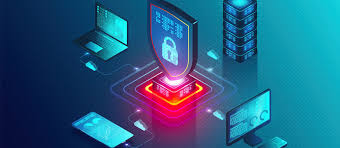
Smart Sensors are advanced devices that collect data from the physical environment, process it, and transmit it to other systems for analysis and decision-making. Unlike traditional sensors, which only measure specific parameters (like temperature or pressure), smart sensors include built-in processing capabilities that allow them to analyze data before sending it to connected devices or cloud platforms. These sensors are widely used in industries such as healthcare, manufacturing, transportation, and smart homes. For example, in a smart home, motion sensors can detect movement and automatically adjust lighting, while in healthcare, smart sensors monitor patients' vital signs and alert doctors in case of abnormalities.
One key advantage of smart sensors is real-time data collection and analysis. This capability allows them to provide immediate feedback and automate processes without human intervention. For instance, in industrial settings, smart sensors monitor machinery to detect equipment failures, reducing downtime and maintenance costs. Additionally, smart sensors support IoT (Internet of Things) networks, allowing seamless communication between devices. For example, smart thermostats use environmental data to optimize energy consumption, reducing costs and improving efficiency. These sensors also play a critical role in smart cities by managing traffic flow, monitoring air quality, and enhancing public safety.
Despite their benefits, smart sensors face challenges related to data privacy and security. Since they continuously collect and transmit sensitive information, they are vulnerable to hacking and unauthorized access if not properly secured. To address these concerns, manufacturers implement encryption protocols and secure communication channels to protect the data. Additionally, smart sensors must be regularly updated to prevent cyberattacks exploiting software vulnerabilities. As technology advances, smart sensors will become even more integrated into daily life, improving efficiency, accuracy, and automation across various industries.
4.Voice Assistants (Alexa, Google Home)
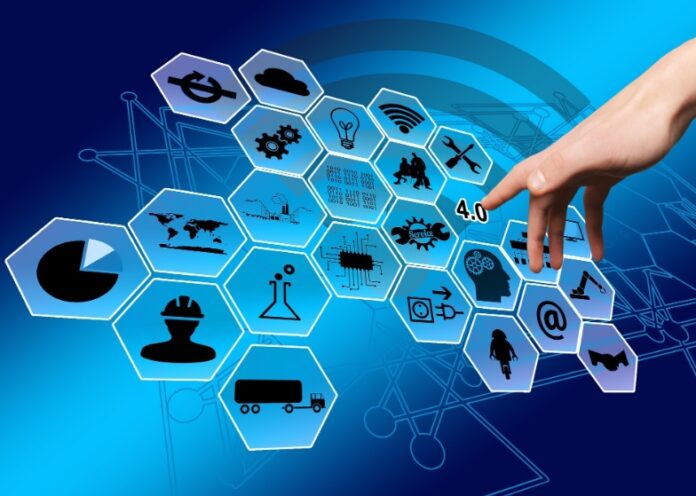
Voice Assistants (Alexa, Google Home) like Alexa and Google Home are AI-powered virtual helpers that use natural language processing (NLP) to understand and respond to voice commands. These devices are integrated into smart speakers, smartphones, and other connected gadgets, allowing users to perform various tasks hands-free. Voice assistants can answer questions, play music, control smart home devices, provide weather updates, set reminders, and much more. For example, you can say, "Hey Google, turn off the lights," and the assistant will communicate with your smart lighting system to switch them off. This technology makes daily tasks easier and more convenient by providing quick responses and automating routine actions.
One of the main features of voice assistants is personalized assistance. These devices learn from user interactions and adapt to individual preferences over time. For instance, Alexa can recognize different family members' voices and provide customized responses like personal calendar updates or preferred music playlists. Additionally, voice assistants are integrated with smart home ecosystems, enabling seamless control of devices such as thermostats, security cameras, and appliances. With advancements in AI, voice assistants now support multiple languages and can engage in more natural, human-like conversations. This makes them useful not only for entertainment but also for productivity and home automation.
However, privacy and data security are concerns with voice assistants. Since these devices are always listening for activation commands, there is a risk of accidental recording and data misuse. Companies like Amazon and Google implement encryption and strict privacy policies to protect user data, but concerns about third-party access remain. Users can manage privacy settings by reviewing and deleting voice recordings. Despite these challenges, voice assistants continue to evolve, becoming more accurate and responsive. As AI technology advances, they will play an even larger role in improving daily life, enhancing smart homes, and providing seamless interaction with the digital world.
.webp)
5.Home Energy Management
Home Energy Management
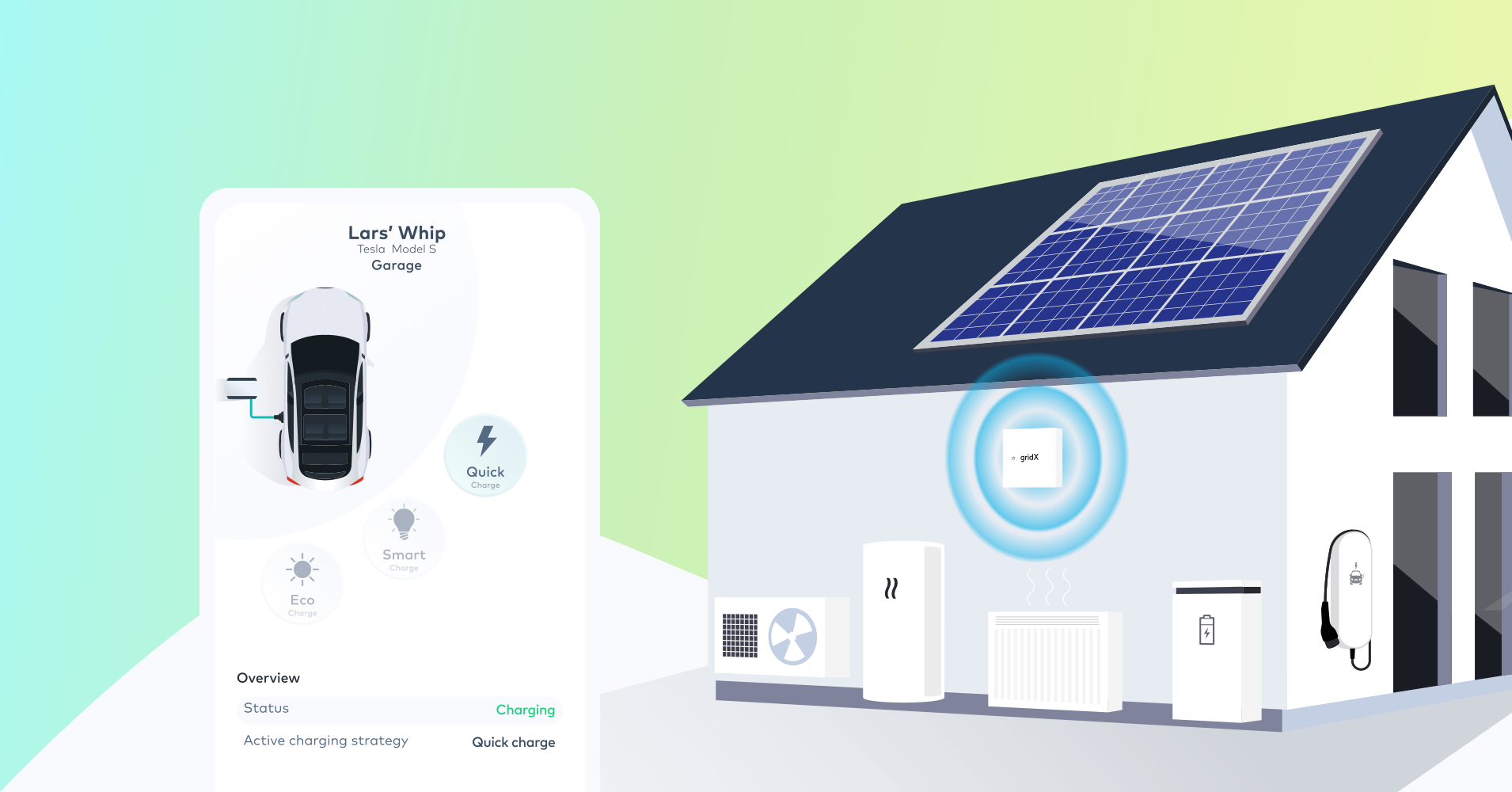
refers to the use of advanced technologies and smart systems to monitor, control, and optimize energy consumption in households. It involves integrating smart devices like smart meters, thermostats, and energy monitoring systems to track electricity usage in real time. These systems allow homeowners to identify energy-consuming appliances, reduce wastage, and lower utility bills. For example, a smart thermostat can adjust the temperature based on occupancy patterns, ensuring energy is only used when needed. HEM systems can be accessed through mobile apps, enabling users to control and monitor energy consumption remotely, improving convenience and energy efficiency.
A significant benefit of home energy management is its ability to promote sustainable living. By monitoring energy usage patterns, homeowners can make informed decisions to reduce their carbon footprint. For instance, HEM systems can prioritize renewable energy sources like solar panels during the day and switch to grid power at night. Smart appliances, such as energy-efficient refrigerators and washing machines, can be programmed to operate during off-peak hours, reducing strain on the electrical grid. This not only saves money but also helps protect the environment by minimizing energy waste and supporting cleaner energy consumption.
Future advancements in HEM are focused on integrating AI and machine learning to enhance automation and predictive capabilities. AI-powered HEM systems can learn household routines, predict energy needs, and automatically adjust energy usage for optimal efficiency. For instance, these systems could pre-cool or heat a home before the occupants arrive, ensuring comfort while saving energy. Additionally, HEM systems can be integrated with smart grids to facilitate real-time energy demand management and enable two-way energy flows between homes and the grid. As technology evolves, home energy management will play a crucial role in creating smarter, greener, and more energy-efficient homes.
6.IoT-enabled Appliances
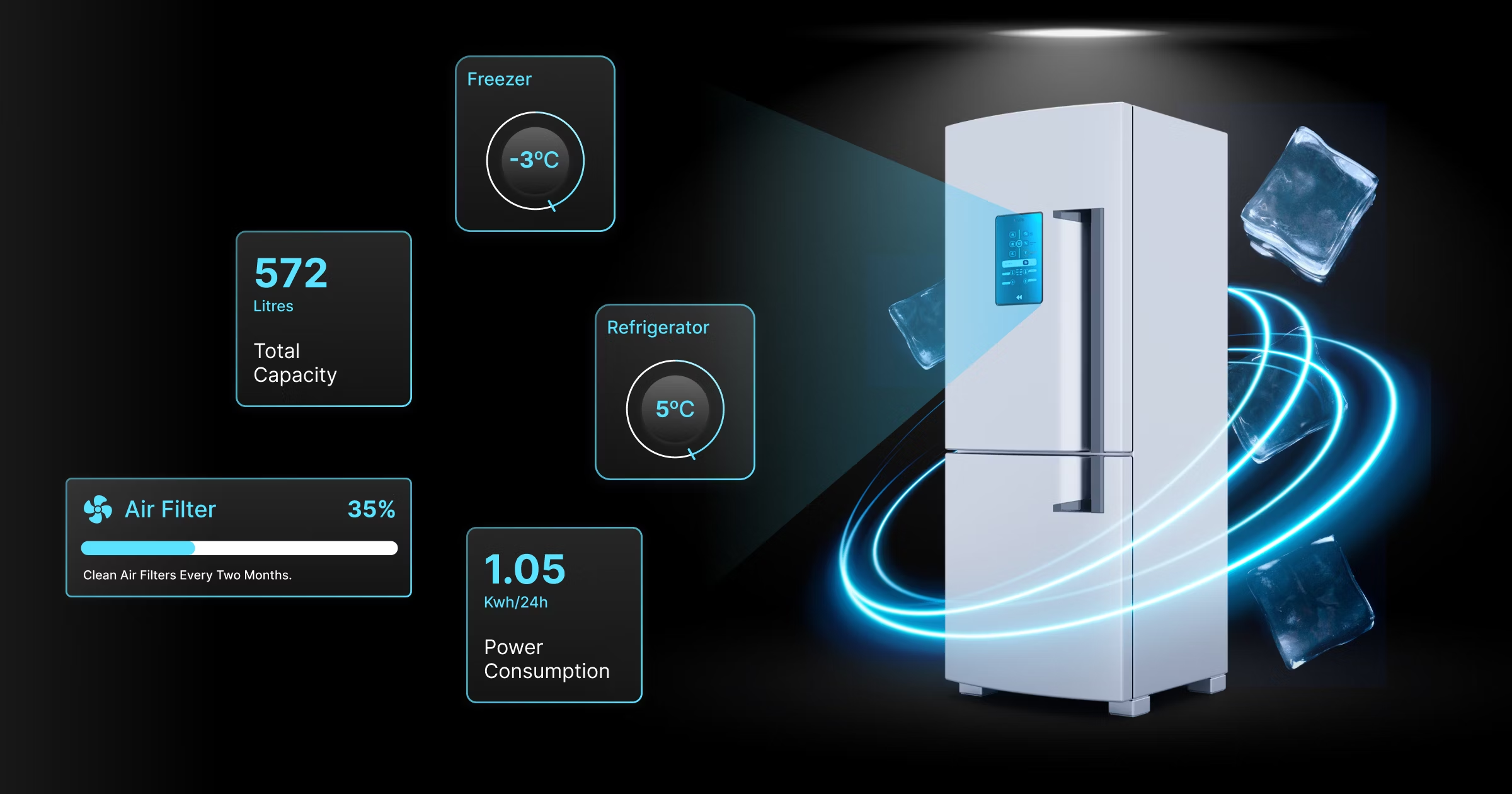
IoT-enabled Appliances are everyday household devices connected to the internet, allowing them to communicate, collect data, and be controlled remotely. These appliances include smart refrigerators, washing machines, ovens, and even coffee makers that can be managed through mobile apps or voice assistants. For example, a smart refrigerator can track food inventory, alert users about expiration dates, and suggest recipes based on available ingredients. IoT-enabled washing machines allow users to start or stop cycles from their smartphones and receive notifications when the laundry is done. This connectivity enhances convenience, saves time, and optimizes energy usage by enabling remote monitoring and control.
One key benefit of IoT-enabled appliances is their ability to offer personalized experiences and energy efficiency. For instance, smart ovens can remember user preferences and adjust cooking times and temperatures automatically. IoT devices also help reduce energy consumption by operating during off-peak hours or adjusting power usage based on real-time data. Smart thermostats, for example, learn user habits and optimize heating and cooling schedules, leading to lower energy bills. Additionally, these appliances can integrate with other smart home systems, enabling seamless automation. For instance, a smart coffee maker can prepare coffee when an alarm clock goes off, enhancing daily routines.
The future of IoT-enabled appliances lies in the development of advanced AI and machine learning capabilities. These innovations will allow appliances to predict user needs and automate tasks without manual input. For example, a smart washing machine might recommend the best wash cycle based on fabric type and dirt level. As technology advances, IoT appliances will also become more secure with improved encryption and authentication methods to protect user data. This growing ecosystem of connected devices will continue to transform modern living, making homes more intelligent, efficient, and responsive to user preferences.
7. Smart Locks
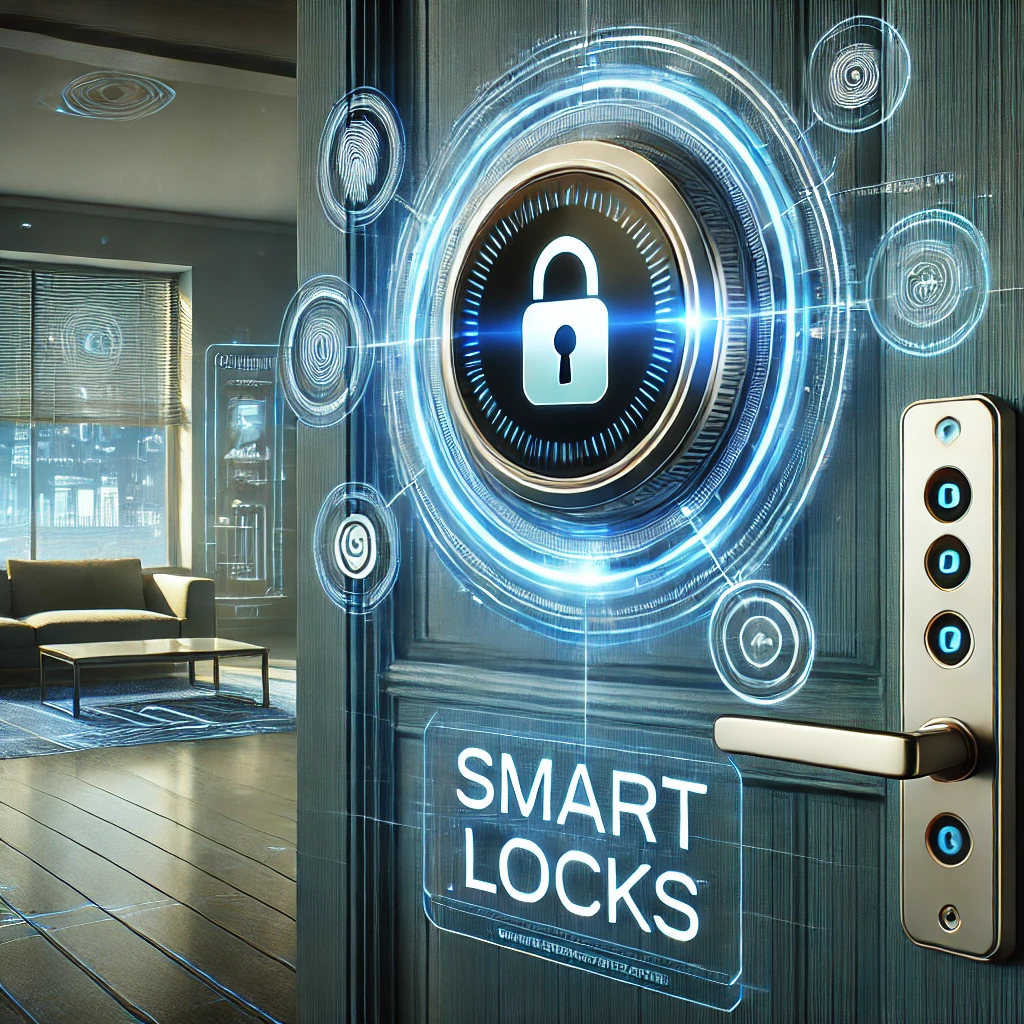
Smart Locks are advanced electronic locking systems that provide keyless entry and remote access to homes or buildings. They use technologies like Bluetooth, Wi-Fi, and Z-Wave to connect to smartphones, tablets, or smart home systems. Users can lock and unlock doors using mobile apps, voice assistants, or even biometric verification like fingerprints. For example, a homeowner can grant temporary access to a visitor by sending a digital key via an app. Smart locks enhance security by offering features such as real-time access logs, remote monitoring, and automatic locking, reducing the risk of unauthorized entry.
One major advantage of smart locks is the convenience they provide. Homeowners no longer need to carry physical keys, as doors can be unlocked through a smartphone or by using a PIN code. Many smart locks also support geofencing, which automatically locks or unlocks the door based on the user’s location. For instance, when a user approaches their home, the lock can open automatically. Smart locks can also be integrated with other smart home devices. For example, when the door is unlocked, lights can turn on, and the security system can disarm, providing a seamless home entry experience.
The future of smart locks involves improved AI integration, better security protocols, and advanced biometric authentication. Upcoming models may use facial recognition or retinal scans for access, making them even more secure. Enhanced encryption will protect against hacking, ensuring that only authorized users can control the lock. Additionally, smart locks will continue to evolve with voice command capabilities and compatibility with broader smart home ecosystems. As technology advances, smart locks will become a standard feature in modern homes, offering increased security, convenience, and customizable access control.
8. Remote Monitoring
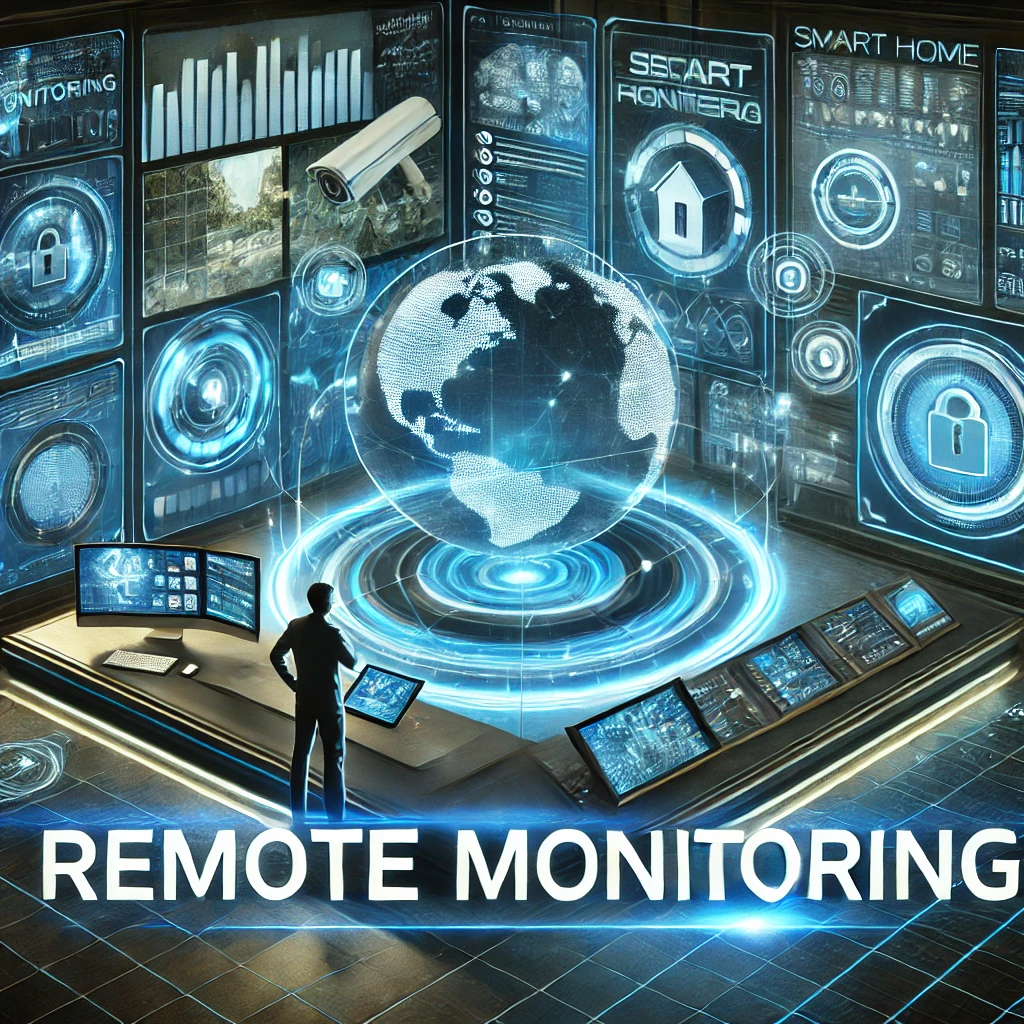
Remote Monitoring is the ability to track and manage devices, systems, or environments from a distant location using advanced technologies like the Internet of Things (IoT), cloud computing, and real-time data transmission. It is widely used in smart homes, healthcare, industrial processes, and security systems. For example, homeowners can monitor their security cameras, smart locks, or energy usage through a mobile app, even when they are miles away. This technology ensures real-time awareness, allowing users to respond quickly to events, such as receiving alerts if a motion detector is triggered or if a system malfunctions.
In smart home automation, remote monitoring allows users to control and oversee various appliances and systems. For instance, you can adjust your home's thermostat, turn lights on or off, or check if doors are locked using a smartphone. This adds a layer of security and convenience. If a smoke detector senses a fire, the system can immediately send an alert to the homeowner’s phone and even notify emergency services. Such monitoring reduces the risks of damage and enhances the safety of properties by enabling quick responses to emergencies.
The future of remote monitoring lies in advanced artificial intelligence (AI) and machine learning (ML) integration. AI-powered systems can analyze patterns and predict potential issues before they happen, offering proactive maintenance and security. In industries, remote monitoring will improve efficiency by providing real-time insights into machinery performance, reducing downtime. As 5G technology continues to grow, it will enhance remote monitoring with faster, more reliable data transmission, enabling seamless monitoring of smart homes, medical devices, and critical infrastructures across the globe.
Comments