IoT in Healthcare
1. what is IoT in Healthcare?
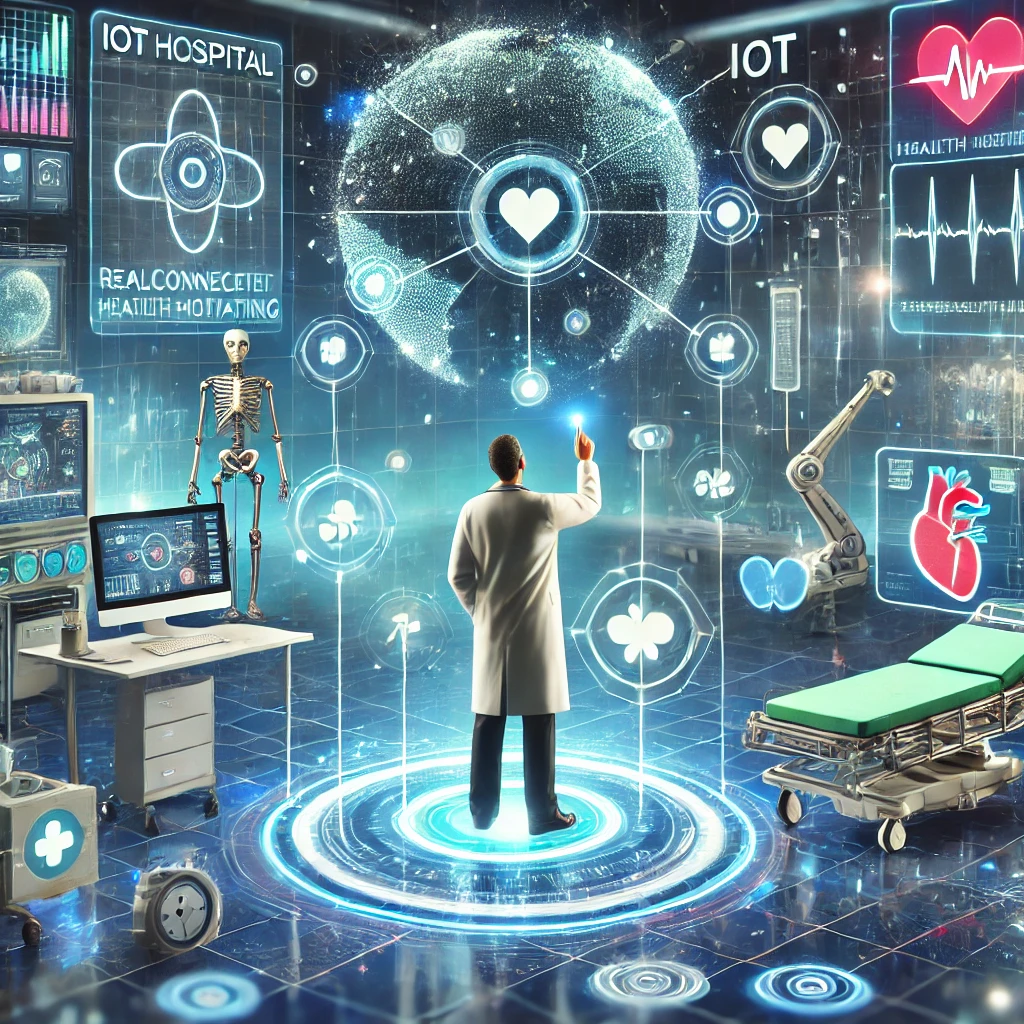
IoT in Healthcare refers to the use of Internet of Things (IoT) technology to connect medical devices, healthcare systems, and patients, enabling real-time monitoring, data collection, and improved patient care. IoT devices in healthcare include smart medical equipment, wearable health monitors, and remote patient monitoring systems that transmit data to healthcare professionals for better diagnosis and treatment. These devices can track vital signs like heart rate, blood pressure, glucose levels, and even medication adherence, helping doctors provide timely and accurate care. This technology enhances patient outcomes by enabling early detection of health issues and reducing hospital visits.
One major benefit of IoT in Healthcare is remote patient monitoring. Patients with chronic conditions such as diabetes, hypertension, or heart disease can use wearable devices to track their health data. This information is shared with healthcare providers, allowing them to monitor patients in real time without requiring frequent in-person visits. This system not only improves patient comfort but also helps reduce the burden on healthcare facilities. Additionally, IoT devices assist in emergency situations by alerting medical staff if a patient’s vital signs show abnormal readings, ensuring quick intervention and saving lives.
The future of IoT in Healthcare holds exciting possibilities, including AI-powered analytics, robotic surgeries, and smart hospitals. With increased connectivity, medical professionals can gain deeper insights from patient data to offer personalized treatment plans. However, there are challenges, such as ensuring data privacy, protecting sensitive health information from cyberattacks, and maintaining device interoperability. As technology advances, maintaining robust security standards and developing regulations will be essential to ensure the safe and effective use of IoT in healthcare systems worldwide.
2.Remote Patient Monitoring
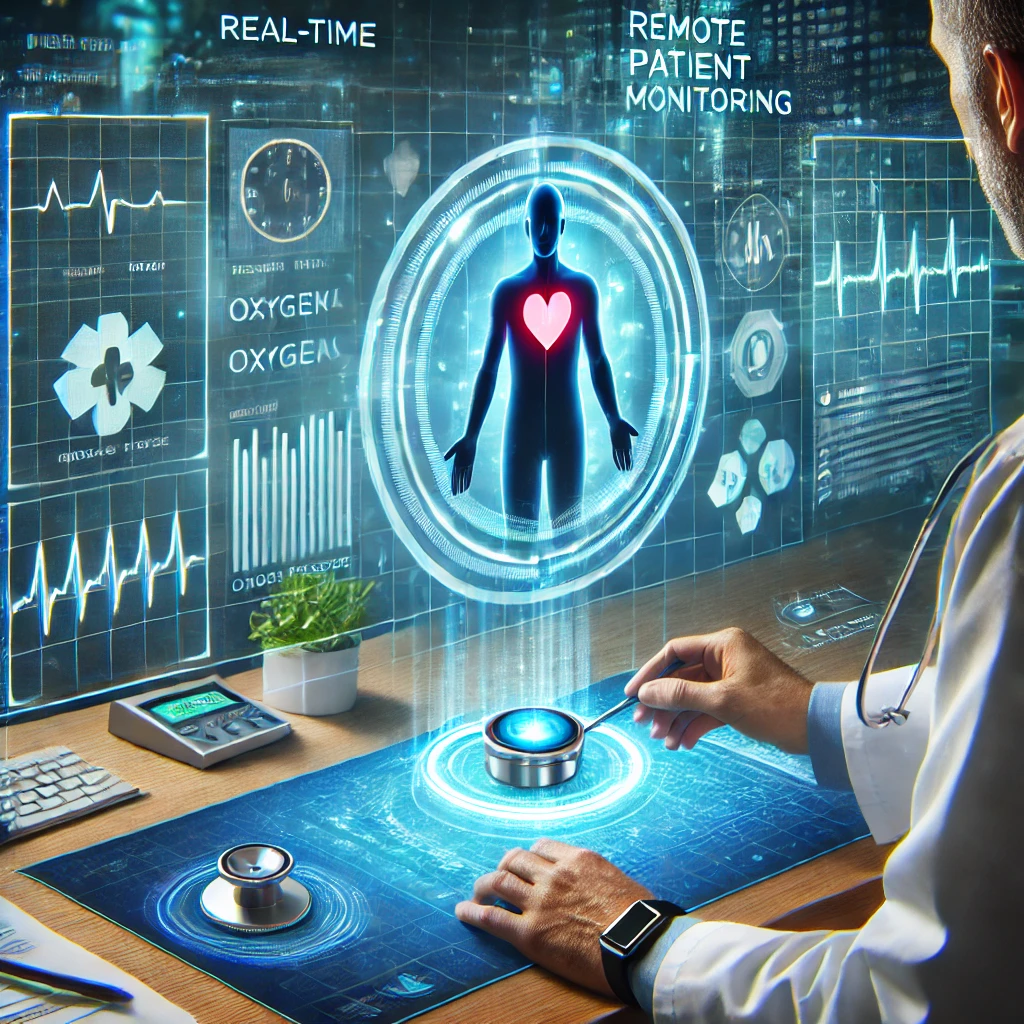
Remote Patient Monitoring is a healthcare technology that uses digital devices to track patients' health data from a distance and transmit it to healthcare providers in real-time. This system allows doctors to monitor patients' vital signs, such as heart rate, blood pressure, glucose levels, oxygen saturation, and weight, without the need for in-person visits. RPM is especially useful for managing chronic conditions like diabetes, hypertension, and heart disease. Patients can stay at home while receiving continuous medical supervision, reducing the need for frequent hospital visits and improving overall healthcare efficiency.
One of the main advantages of Remote Patient Monitoring is the ability to detect health issues early. If a patient’s readings show abnormalities, healthcare providers are alerted immediately, allowing for timely intervention and preventing serious complications. For example, a patient with heart disease wearing a smart heart monitor can transmit their data to a cardiologist, who can identify irregularities and adjust medications accordingly. This proactive approach enhances patient safety and helps in delivering personalized care. Additionally, RPM reduces healthcare costs by minimizing hospital readmissions and emergency visits while improving patient satisfaction through the convenience of home monitoring.
The future of Remote Patient Monitoring is promising, with advancements in AI and IoT (Internet of Things) enhancing data analysis and predictive healthcare. Smart devices can not only collect data but also provide real-time insights and automated alerts. RPM is expected to play a crucial role in elderly care, post-surgical recovery, and managing infectious diseases. However, challenges such as data privacy, patient compliance, and device security must be addressed. With continuous technological innovation, Remote Patient Monitoring will further transform healthcare delivery, making it more accessible, efficient, and patient-centered.
3. Smart Hospital Management
Smart Hospital Management
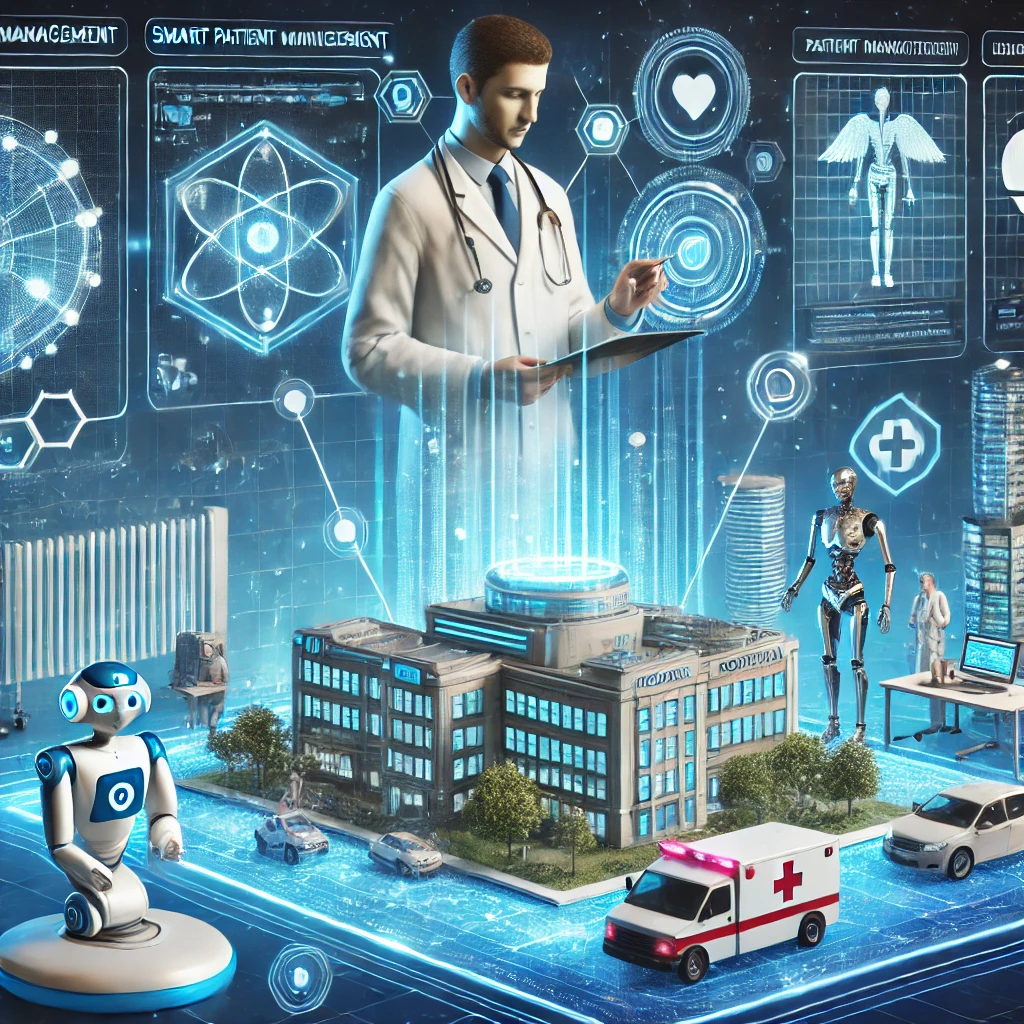
refers to the use of advanced technologies like IoT (Internet of Things), Artificial Intelligence (AI), Big Data, and cloud computing to improve the efficiency, accuracy, and quality of healthcare services. It involves automating and optimizing hospital operations such as patient management, medical records, resource allocation, and real-time monitoring. Smart hospital systems use interconnected devices to track patient health, manage staff workflows, and maintain hospital infrastructure, leading to better patient outcomes and operational efficiency.
One major component of Smart Hospital Management is Electronic Health Records (EHR). These digital records store patient data securely, allowing doctors to access and update medical histories, prescriptions, and test results in real-time. This reduces paperwork, minimizes errors, and improves patient care. Smart hospitals also use AI-driven systems to analyze patient data, predict disease patterns, and assist in diagnosis. For instance, AI algorithms can help radiologists detect abnormalities in medical imaging with greater accuracy, enhancing early detection and treatment.
Another key feature is smart resource management through IoT. Sensors can track medical equipment, monitor medicine stock levels, and even ensure proper environmental conditions in operation theatres. Wearable devices allow continuous patient monitoring, sending real-time alerts to healthcare staff if any critical changes are detected. This enhances patient safety and allows for quicker responses during emergencies. With telemedicine integration, smart hospitals offer remote consultations, enabling patients to receive care from specialists without traveling. As technology advances, Smart Hospital Management will continue to improve patient experiences, reduce operational costs, and create a more connected and efficient healthcare environment.
4.IoT-enabled Prosthetics
IoT-enabled Prosthetics are advanced artificial limbs integrated with Internet of Things (IoT) technology, allowing real-time data collection, monitoring, and enhanced functionality. These smart prosthetics use sensors, microprocessors, and wireless connectivity to interact with the user's body and external systems. They can track movement, adjust to different environments, and provide feedback to both users and healthcare providers. This innovation enhances mobility, comfort, and overall quality of life for individuals with limb loss
One of the major features of IoT-enabled prosthetics is real-time monitoring and adjustment. Sensors embedded in the prosthetic collect data on pressure, movement, and muscle signals, allowing the device to adapt to the user's walking style or grip force. This makes the prosthetic more responsive and natural in its movements. For example, a smart leg prosthetic can adjust to different terrains like stairs or uneven surfaces, ensuring better balance and stability. This real-time data can also be transmitted to medical professionals, enabling them to monitor the prosthetic's performance and make remote adjustments when needed.
Another key advantage of IoT-enabled prosthetics is personalized user experience. Through machine learning algorithms, the prosthetic can learn and adapt to the user's behavior over time. This improves the accuracy of motion and provides a more natural experience. Some advanced models even offer smartphone connectivity, allowing users to customize settings, track performance, and receive maintenance alerts. Additionally, IoT integration enables predictive maintenance, where potential issues in the prosthetic are detected early, reducing the risk of mechanical failures. As technology continues to evolve, IoT-enabled prosthetics are expected to become even more intelligent, improving the lives of amputees through enhanced mobility and greater independence.
5.Smart Inhalers
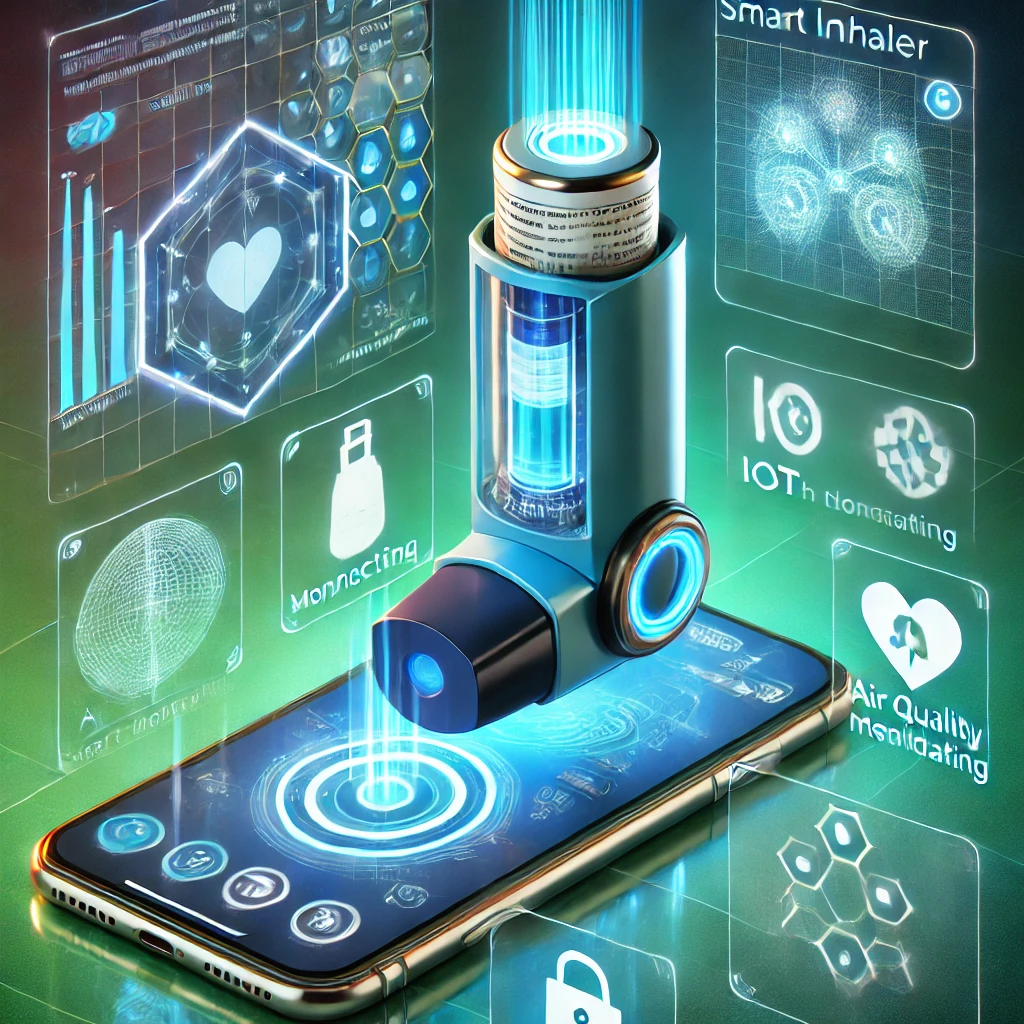
Smart Inhalers
are advanced medical devices integrated with digital technology to help patients manage and monitor respiratory conditions like asthma and chronic obstructive pulmonary disease (COPD). These inhalers are equipped with sensors that track medication usage, monitor inhalation techniques, and collect real-time health data. This data can be shared with healthcare providers or stored on mobile apps, helping patients and doctors better understand and control respiratory health. By ensuring correct inhaler use and tracking medication adherence, smart inhalers improve treatment effectiveness and reduce the risk of asthma attacks or COPD flare-ups.
One major benefit of smart inhalers is improved medication adherence. Many patients forget to take their medication on time, which can worsen their condition. Smart inhalers send reminders through smartphone apps, ensuring patients take their medication as prescribed. These devices also record the time and frequency of inhaler use, providing detailed reports that patients and healthcare professionals can review. This helps identify patterns of missed doses and allows for personalized treatment adjustments. For instance, if a patient is consistently missing doses, their doctor can intervene early to prevent health complications.
Another significant advantage is real-time monitoring and better disease management. Smart inhalers track environmental factors like air quality and pollen levels, which can trigger respiratory issues. Patients can receive alerts when conditions are unsafe, allowing them to take precautions. Additionally, the data collected helps healthcare providers make more informed decisions, leading to better patient outcomes. Over time, smart inhalers can use artificial intelligence (AI) to analyze patient behavior and predict potential health risks. As technology advances, smart inhalers are expected to play a crucial role in delivering personalized care and improving the quality of life for individuals with respiratory diseases.
6.IoT for Elderly Care
IoT for Elderly Care
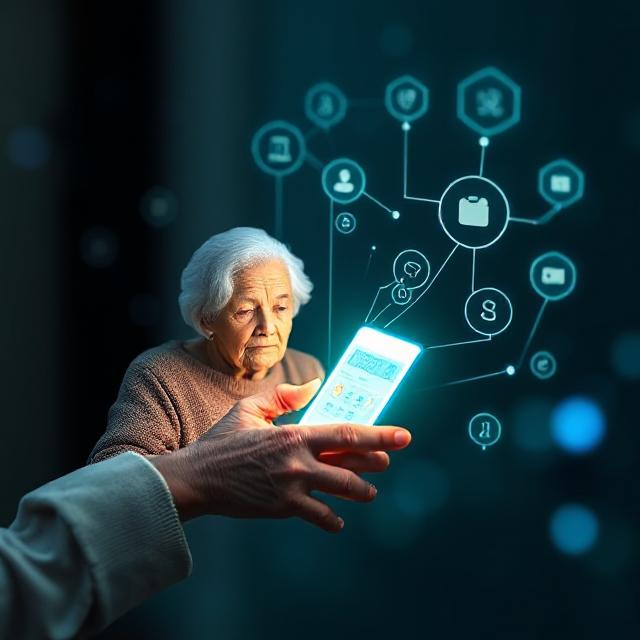
uses smart devices and sensors to monitor and assist senior citizens, ensuring their safety and well-being. These systems can track vital signs like heart rate, blood pressure, and oxygen levels in real-time, allowing caregivers and healthcare providers to respond quickly to emergencies. Smart home devices, such as automated lighting and fall detection systems, help prevent accidents and provide a safer living environment. Wearable devices can alert family members or emergency services if the elderly person experiences a fall or health issue. This technology enables seniors to maintain independence while offering peace of mind to their loved ones. Additionally, IoT devices can remind seniors to take medications on time, track their movement patterns, and offer virtual consultations with healthcare professionals, improving overall care and quality of life.
IoT devices in elderly care also promote better communication and social engagement. Smart home assistants and video calling systems help seniors stay connected with family and friends, reducing feelings of loneliness and isolation. These devices can also provide reminders for daily tasks, appointments, and medication schedules, ensuring seniors follow their healthcare routines. Advanced sensors can monitor behavioral patterns and detect irregular activities, such as missed meals or disrupted sleep, which can indicate potential health concerns. This continuous monitoring helps caregivers respond proactively, preventing minor issues from becoming serious health problems.
Another benefit of IoT in elderly care is improving mobility and ease of living. Smart wheelchairs, automated door openers, and voice-controlled appliances allow seniors with physical limitations to navigate their homes independently. Wearable GPS trackers provide location monitoring for seniors with dementia, ensuring their safety if they wander. Additionally, data collected by IoT devices can be analyzed to identify long-term health trends, helping doctors personalize care plans. By integrating these smart solutions, IoT enhances the quality of life for elderly individuals while reducing the burden on caregivers and healthcare systems.
7. Telemedicine Integration
Telemedicine Integration
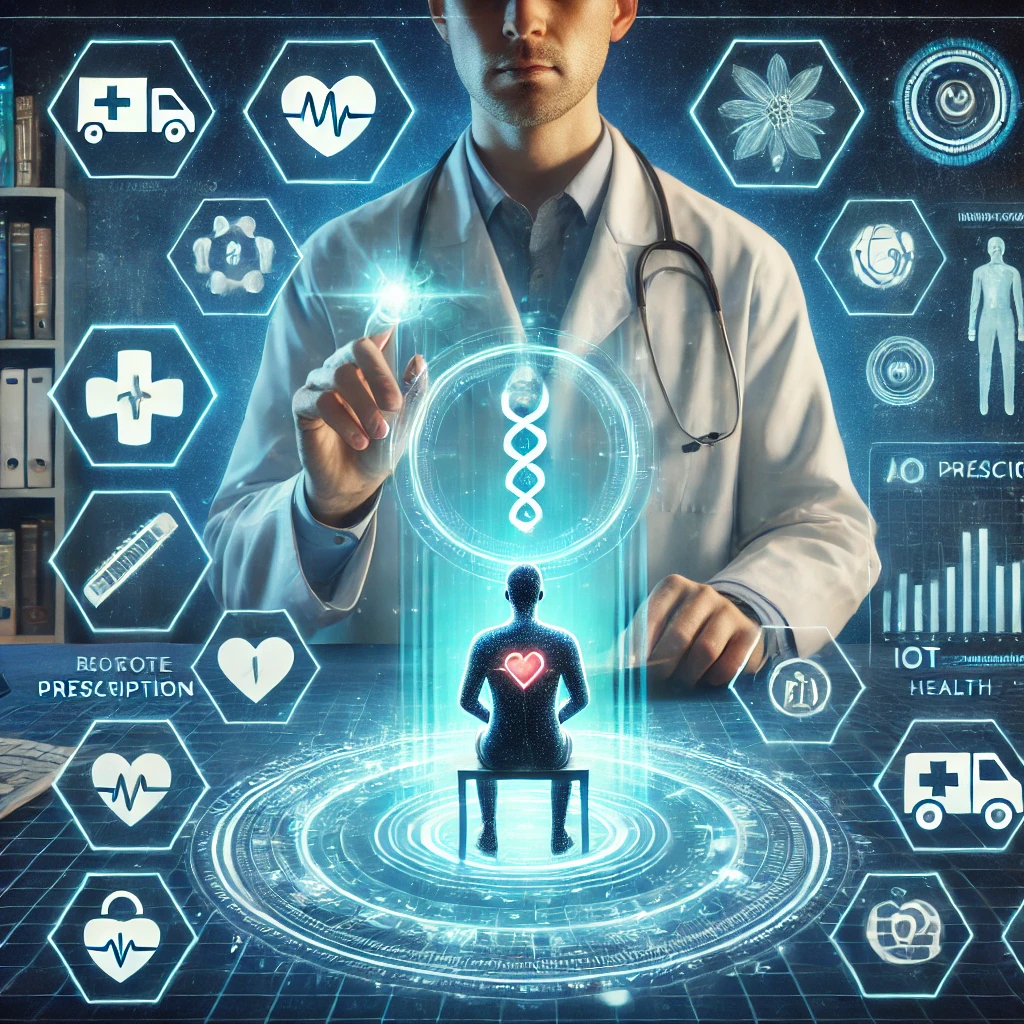
with IoT devices is transforming healthcare by enabling remote consultations and real-time health monitoring. IoT-enabled medical devices, such as smart blood pressure monitors, glucose meters, and wearable ECG trackers, collect patient data and transmit it to healthcare providers. This allows doctors to monitor patients’ vital signs and health conditions from a distance, making timely decisions without the need for in-person visits. Such integration is especially useful for managing chronic diseases, post-surgery follow-ups, and patients living in remote areas, improving access to quality healthcare while reducing hospital visits.
IoT-based telemedicine also enhances patient engagement and self-care. Patients can track their health metrics using smart devices and share this data with their doctors through secure digital platforms. This continuous data flow allows for early detection of health issues and personalized treatment plans. Automated alerts can notify both patients and healthcare professionals of abnormal readings, enabling quick interventions. By combining IoT and telemedicine, healthcare systems can provide more proactive care, reducing emergency visits and improving patient outcomes.
Moreover, telemedicine integration with IoT supports better resource management in healthcare facilities. Smart scheduling systems can optimize appointment times based on real-time patient data, reducing wait times and enhancing operational efficiency. Virtual consultations powered by IoT devices allow doctors to manage a larger patient base while maintaining high-quality care. This technology also benefits patients with mobility challenges or contagious conditions by providing care from the comfort of their homes. Overall, IoT-driven telemedicine is making healthcare more accessible, efficient, and patient-centered.
8. AI-powered Diagnosis
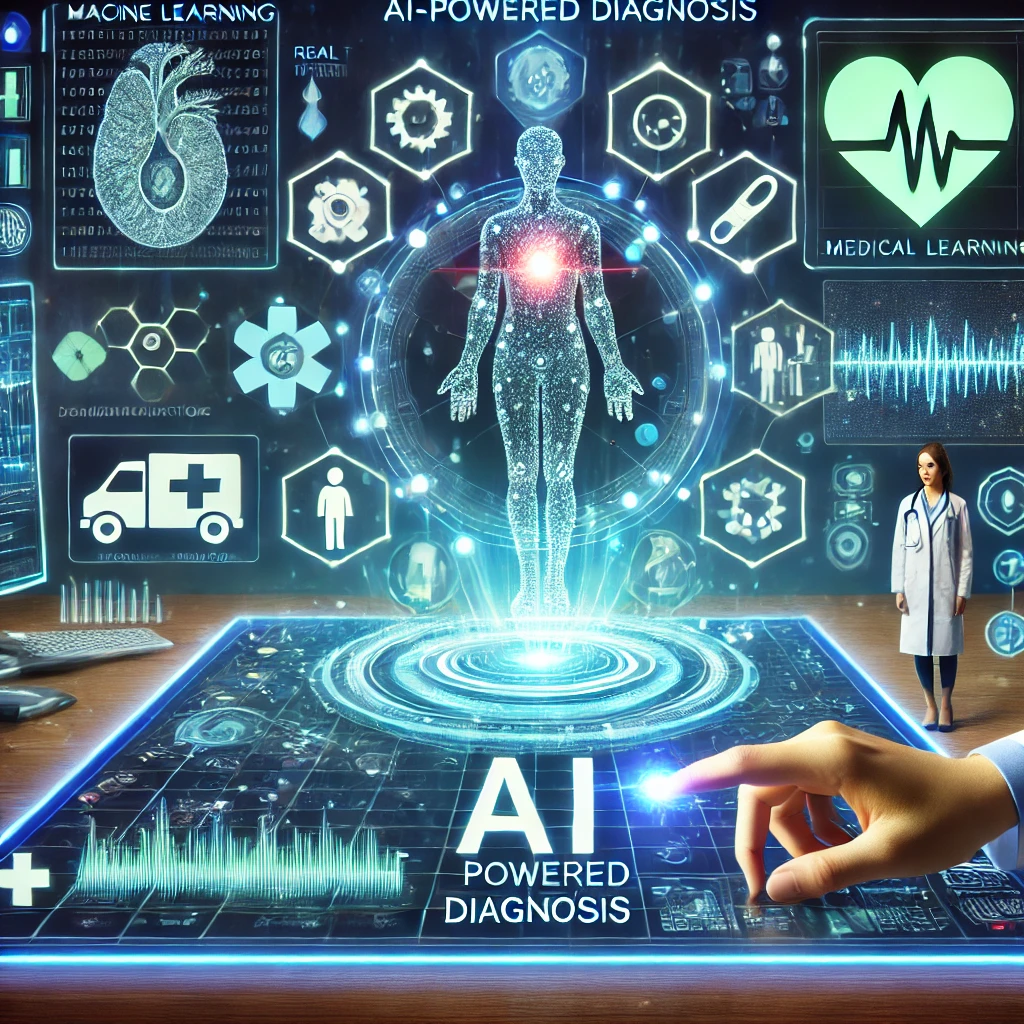
AI-powered Diagnosisis transforming healthcare by using advanced algorithms and machine learning to analyze medical data and detect diseases accurately. These AI systems can process vast amounts of patient information, including medical history, lab reports, and imaging data like X-rays and MRIs, to identify patterns that may indicate health conditions. With the ability to analyze data faster and more precisely than humans, AI helps doctors diagnose diseases such as cancer, heart conditions, and neurological disorders at earlier stages. This leads to quicker treatment decisions and improved patient outcomes while reducing human errors in diagnosis
One of the major benefits of AI-powered diagnosis is its ability to provide personalized care. AI systems can evaluate patient-specific data to recommend tailored treatment plans that consider genetic factors, lifestyle habits, and environmental conditions. This precision medicine approach enhances the effectiveness of therapies and reduces side effects. For instance, AI can predict how a patient might respond to a particular medication, allowing doctors to choose the most suitable treatment. Additionally, AI models continue to learn and improve as they process new data, ensuring that diagnosis and treatment strategies remain up-to-date with the latest medical advancements.
AI-powered diagnostic tools also enhance access to healthcare, especially in remote areas. Telemedicine platforms equipped with AI can analyze patient symptoms and provide preliminary assessments, guiding patients toward appropriate care. This is particularly helpful in regions with a shortage of medical professionals. Furthermore, AI reduces the workload on healthcare providers by automating routine tasks like image analysis and data interpretation, allowing doctors to focus on complex cases. As AI technology advances, it is expected to play an even greater role in early detection, disease prevention, and improving the overall quality of healthcare.
Comments