Augmented Reality (AR) & Virtual Reality (VR)
Augmented Reality (AR) enhances the real world by overlaying digital elements, while Virtual Reality (VR) creates a fully immersive, computer-generated environment.
Augmented Reality (AR) enhances the real world by overlaying digital elements, while Virtual Reality (VR) creates a fully immersive, computer-generated environment.
Augmented Reality (AR) and Virtual Reality (VR) are transformative technologies that blend digital and real-world experiences to create immersive environments. AR overlays digital elements onto the real world, enhancing the user’s perception through devices like smartphones, AR glasses, or headsets. Examples include Pokémon GO, AR navigation, and interactive shopping experiences. In contrast, VR creates a fully immersive digital environment that users can interact with through VR headsets like Oculus Quest, HTC Vive, and PlayStation VR. VR is widely used in gaming, virtual tourism, training simulations, and therapy.
One of the biggest applications of AR and VR is in education and training. Medical professionals use VR simulations to practice surgeries in a risk-free environment, while pilots undergo flight simulations to train for real-world scenarios. AR is also transforming industries like manufacturing and maintenance, where technicians can use AR glasses to receive real-time guidance for complex repairs. In retail, brands like IKEA and Sephora use AR to let customers visualize products in their homes or try on makeup virtually. These technologies enhance user engagement, improve learning experiences, and streamline operations.
The future of AR and VR lies in advancements in AI, 5G connectivity, and improved hardware. AR-powered smart glasses, such as Apple Vision Pro and Microsoft HoloLens, are expected to replace traditional screens, while VR will become more realistic with higher resolutions and haptic feedback suits. The Metaverse, a digital universe integrating AR, VR, and blockchain, is another emerging concept where users can socialize, work, and explore virtual spaces. As these technologies evolve, AR and VR will become integral to entertainment, healthcare, business, and beyond, revolutionizing how we interact with digital content.
Click here for more information
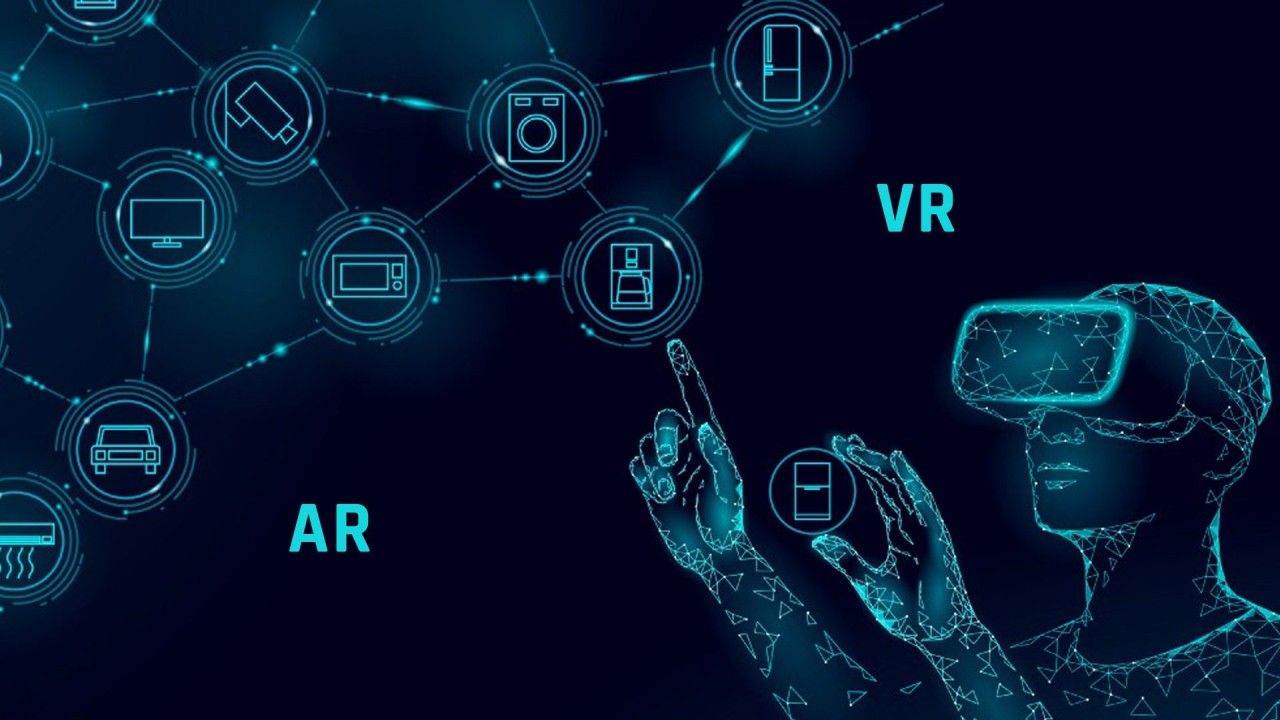
Augmented Reality (AR) has seamlessly integrated into our daily lives, enhancing the way we interact with the digital world. Smartphone applications like Instagram and Snapchat filters use AR to overlay digital effects on faces in real time, making social media interactions more engaging. Google Lens and AR navigation in Google Maps help users identify objects, translate text, and navigate streets with real-time directions. Even in shopping, brands like IKEA and Amazon use AR to allow customers to visualize furniture or clothing in their homes before making a purchase.
In education, AR has revolutionized learning experiences by bringing textbooks to life. Apps like Google Expeditions and AR-based anatomy tools enable students to explore historical sites, planets, or the human body in 3D without leaving their classrooms. AR also plays a crucial role in entertainment and gaming, with Pokémon GO and Harry Potter: Wizards Unite creating interactive gaming experiences that blend virtual characters into the real world. Similarly, sports broadcasts use AR overlays to display player statistics, ball trajectories, and instant replays for better analysis.
AR is also transforming industries like healthcare and maintenance. Surgeons use AR to visualize internal organs before performing procedures, increasing precision and safety. In manufacturing and automotive repair, technicians use AR glasses to receive step-by-step instructions while working on complex machinery. As AR technology continues to advance with AI and 5G connectivity, it will become an even more essential part of daily life, from smart home integration to real-time language translation, making tasks easier and more interactive.
Click here for more information
 & Virtual Reality (VR).jpeg)
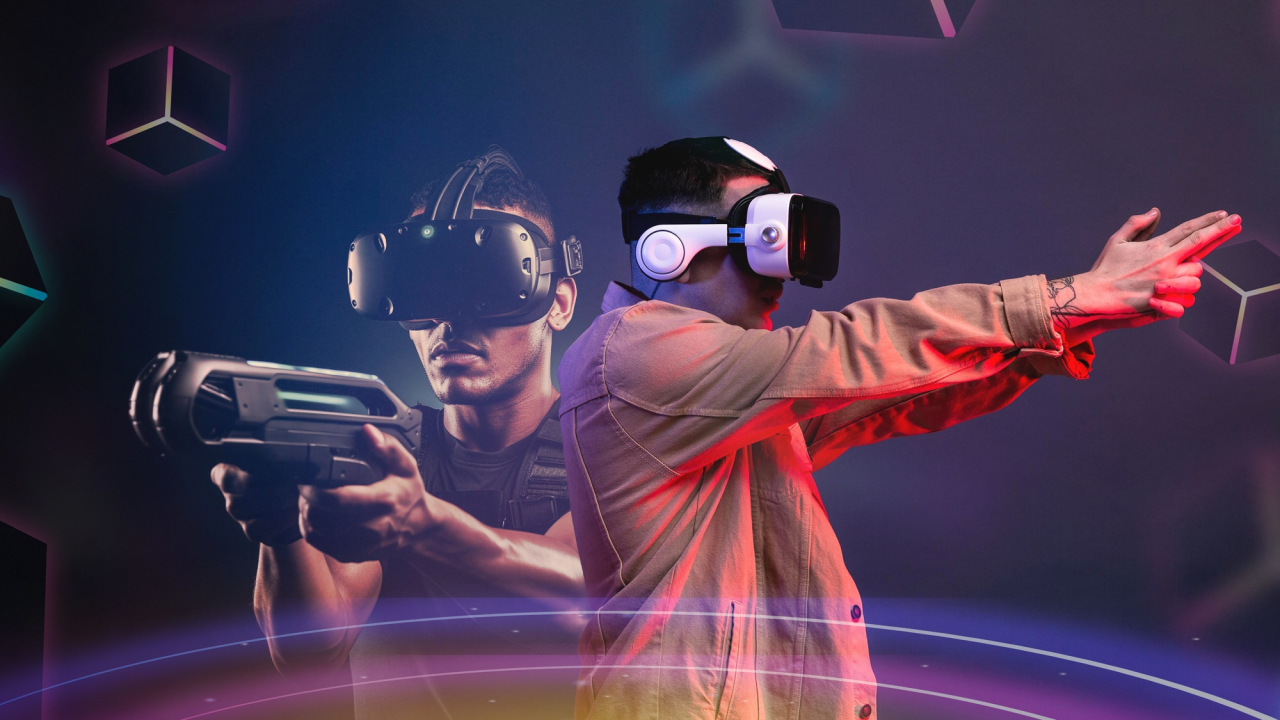
Virtual Reality (VR) has transformed the entertainment and gaming industry by offering immersive and interactive experiences. VR gaming has revolutionized how players engage with digital worlds, providing a 360-degree environment where users can move, interact, and experience gameplay like never before. Popular VR gaming devices such as Oculus Quest, PlayStation VR, and HTC Vive enable players to physically move within the game space, making them feel like they are inside the game rather than just playing it. Titles like Beat Saber, Half-Life: Alyx, and Resident Evil 7 VR offer intense and realistic gaming experiences where players can dodge, fight, and explore as if they were truly there.
Beyond gaming, VR has reshaped the film and entertainment industry by creating immersive storytelling experiences. VR movies and interactive storytelling platforms like Baobab Studios and Oculus Venues allow viewers to be a part of the story rather than just watching it. Companies like Disney and Warner Bros. have experimented with VR-based films that enable audiences to explore scenes in a 360-degree environment, making storytelling more dynamic and engaging. Additionally, VR concerts and virtual events have gained popularity, with artists like Travis Scott and Marshmello performing in virtual spaces where fans can attend, interact, and even socialize with other attendees, all within a VR environment.
VR is also making an impact in theme parks and simulation experiences. Attractions like The VOID and Universal’s VR rides offer visitors highly interactive adventures, allowing them to experience fantasy worlds, historical locations, or even space travel. Similarly, VR escape rooms and simulators provide users with lifelike scenarios where they can solve puzzles, battle enemies, or survive thrilling adventures. With the continuous advancement of VR technology, haptic feedback, motion tracking, and AI-driven environments will further enhance the realism and interactivity of VR in entertainment, making it an essential part of the future digital experience..............
Click here for more information
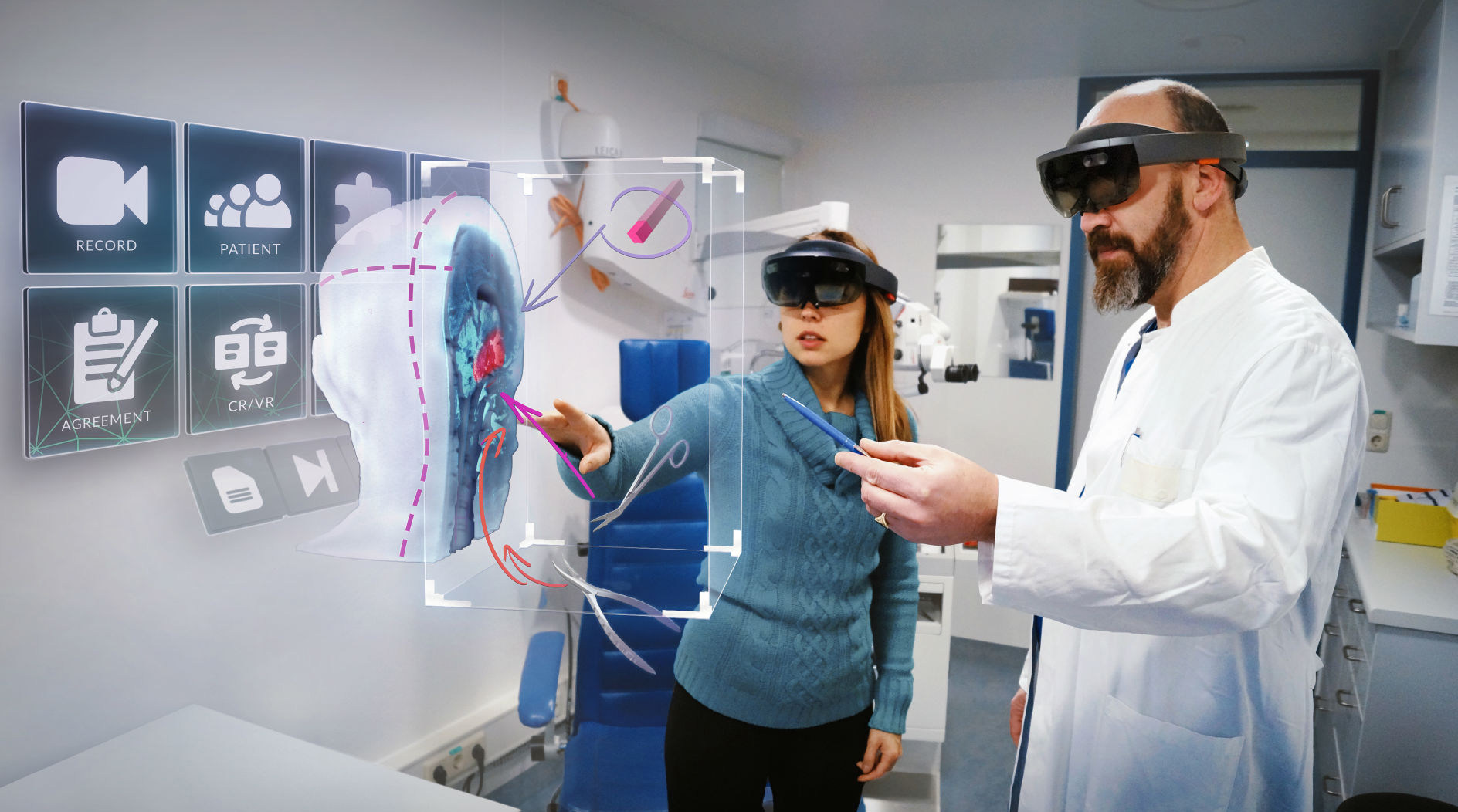
Augmented Reality (AR) and Virtual Reality (VR) are revolutionizing the healthcare industry by improving medical training, patient treatment, and surgical precision. VR is widely used for medical training, allowing students and doctors to practice surgeries and complex medical procedures in a risk-free, simulated environment. Platforms like Touch Surgery and Osso VR provide realistic 3D models for surgical training, enabling medical professionals to enhance their skills without operating on real patients. AR, on the other hand, assists surgeons by overlaying digital information, such as real-time patient vitals or 3D models of organs, onto their field of view, improving accuracy and reducing errors during surgeries.
In patient care, AR and VR play a crucial role in pain management, rehabilitation, and mental health treatment. VR therapy is used for pain relief in burn patients, PTSD treatment in veterans, and phobia therapy by exposing individuals to controlled virtual environments. For example, VR applications like SnowWorld help distract burn victims during painful procedures by immersing them in a cool, interactive virtual world. Similarly, VR rehabilitation programs assist stroke patients in regaining motor skills by simulating real-world movements in a virtual space. AR applications, such as Microsoft HoloLens, help patients with mobility impairments by guiding them through exercises with interactive visuals and instructions.
AR and VR are also improving remote healthcare and diagnostics. Telemedicine platforms integrated with AR allow doctors to remotely examine patients using 3D holograms and real-time visual overlays. This is particularly useful in rural areas where access to specialized medical professionals is limited. Additionally, VR is being used to train emergency responders by simulating disaster situations, helping them prepare for real-life medical emergencies. With continuous advancements in technology, AR and VR will further enhance precision, efficiency, and accessibility in healthcare, making medical treatments more effective and improving patient outcomes worldwide..............
Click here for more information
The future of Augmented Reality (AR) and Virtual Reality (VR) is filled with exciting possibilities, as these technologies continue to evolve and integrate into various industries. Advancements in hardware and software will make AR and VR more immersive, interactive, and accessible. Devices like Apple Vision Pro, Meta Quest, and AR smart glasses are expected to become more compact, lightweight, and powerful, improving user experience. Future AR and VR systems will feature higher resolution displays, improved motion tracking, and AI-powered interactions, making virtual experiences feel more natural and realistic. With 5G and edge computing, real-time data processing in AR and VR will become faster, enabling seamless experiences without latency issues.
One of the most significant applications of AR and VR in the future will be in the Metaverse—a virtual world where people can work, socialize, and play using digital avatars. Companies like Meta, Microsoft, and Google are heavily investing in creating a connected digital space where AR and VR will merge with artificial intelligence (AI) and blockchain to offer virtual economies, digital assets, and immersive collaboration. In industries like education, healthcare, and retail, AR and VR will enhance learning, medical training, and shopping experiences by providing 3D interactive simulations and virtual try-ons. Imagine students learning history by exploring ancient civilizations in VR or doctors practicing complex surgeries in a fully immersive environment before operating on real patients.
As AR and VR technology becomes more mainstream, ethical and privacy concerns will also need to be addressed. Data security, digital addiction, and the psychological effects of prolonged VR usage are areas that researchers and developers are actively working on. The rise of brain-computer interfaces (BCI), like those being developed by Neuralink, could further revolutionize AR and VR by allowing users to control virtual environments using their thoughts. With continuous innovation, AR and VR will transform the way humans interact with the digital world, revolutionizing entertainment, education, healthcare, and beyond.
.........
Click here for more information
Comments