AR in Everyday Life
1. what is AR in Everyday Life?
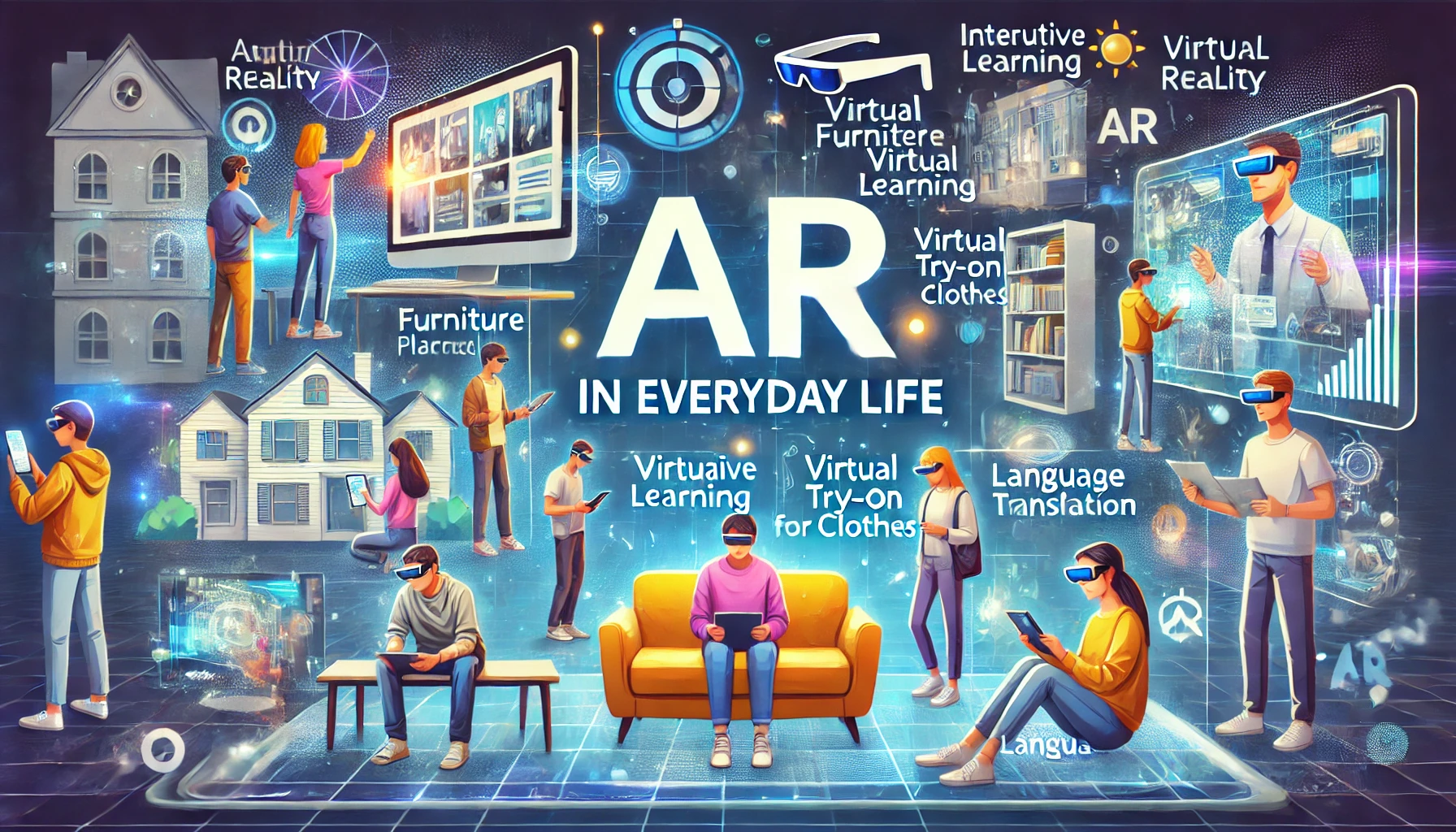
AR in Everyday Life in Everyday Life refers to the integration of digital information, such as images, sounds, or text, into the real-world environment in real-time, enhancing the user's perception of their surroundings. Unlike virtual reality, which creates a completely immersive digital experience, AR adds layers of virtual content to the real world, allowing users to interact with both simultaneously. In everyday life, AR has become increasingly accessible through smartphones, tablets, smart glasses, and wearable devices, offering a range of practical applications in various sectors such as entertainment, education, shopping, and navigation.
In shopping, AR enables consumers to try products virtually before purchasing. For example, apps like IKEA Place allow users to visualize how furniture will look in their homes by overlaying 3D models of the items into their real environment using their smartphone camera. This makes it easier for shoppers to make informed decisions, improving the buying experience. In fashion, apps let users try on clothes or accessories virtually, giving them a better sense of how the product will look on them without physically trying it on. AR in shopping not only enhances the customer experience but also bridges the gap between online and offline shopping, offering more convenience and confidence in purchases.
In navigation, AR is increasingly being used for directions and mapping. For instance, Google Maps and Apple Maps provide AR-powered walking directions that overlay arrows and distance markers directly onto the real-world environment through your smartphone or AR glasses. This helps users easily follow routes without constantly glancing at their phone. In tourism, AR is being used to provide additional context and historical information when visiting landmarks. By pointing your phone at a building or monument, an AR app can display facts, videos, or interactive content about the site, enriching the experience.
2.AR Navigation
AR Navigation
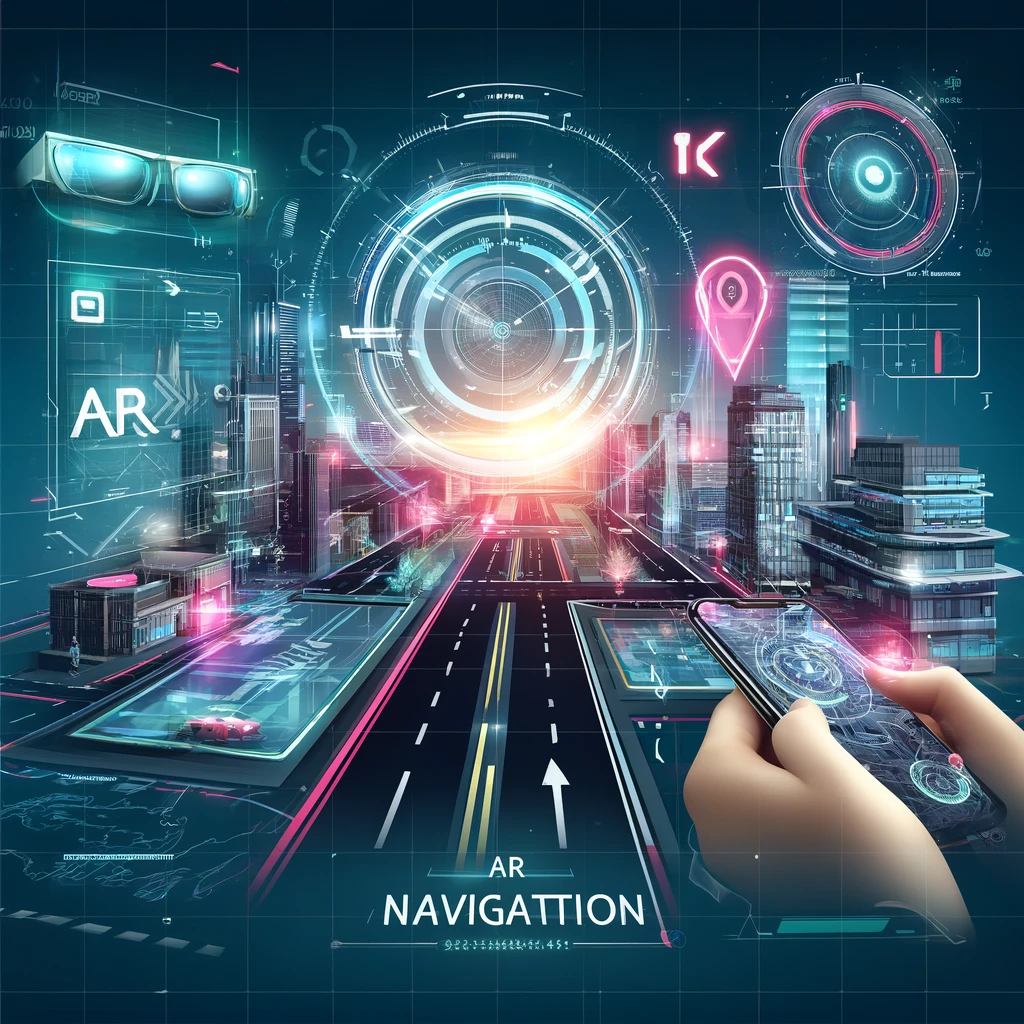
refers to the use of Augmented Reality (AR) technology to enhance traditional navigation systems by overlaying digital information, such as directions, landmarks, or points of interest, onto the real world in real-time. This allows users to view directional guidance and relevant data within their physical environment, making navigation more intuitive and interactive. AR navigation typically leverages the camera and sensors of devices like smartphones, tablets, or AR glasses to superimpose digital markers, arrows, or maps onto the user’s live view of the world. This technology is particularly useful in scenarios where traditional maps or GPS systems may be harder to follow, such as walking through busy city streets, exploring large indoor spaces, or navigating unfamiliar areas.
n outdoor navigation, AR enhances user experience by providing turn-by-turn directions overlaid directly onto the real world. For example, Google Maps AR offers users walking directions where virtual arrows and directions appear on the screen, guiding them on the sidewalk in real-time. Users simply point their phone at the street, and the app shows exactly where to walk, making it easier to follow the correct path without having to look back and forth between a map and the environment. This makes navigating through complex, urban areas much more intuitive by providing step-by-step guidance, which can help avoid confusion and reduce the risk of getting lost.
Indoor navigation is another area where AR navigation has become a game-changer. In large, complex environments like airports, shopping malls, or museums, traditional signage may not be enough to guide people effectively. AR navigation can provide specific instructions for getting from one location to another by displaying directional arrows and distance markers on a smartphone screen or AR glasses. Some museums, for instance, may use AR to provide visitors with additional information and context about exhibits while guiding them through the space. This technology can also be beneficial in warehouses or logistics settings, where employees can use AR to find specific items or routes to optimize operations.
3.AR in E-commerce
AR in E-commerce
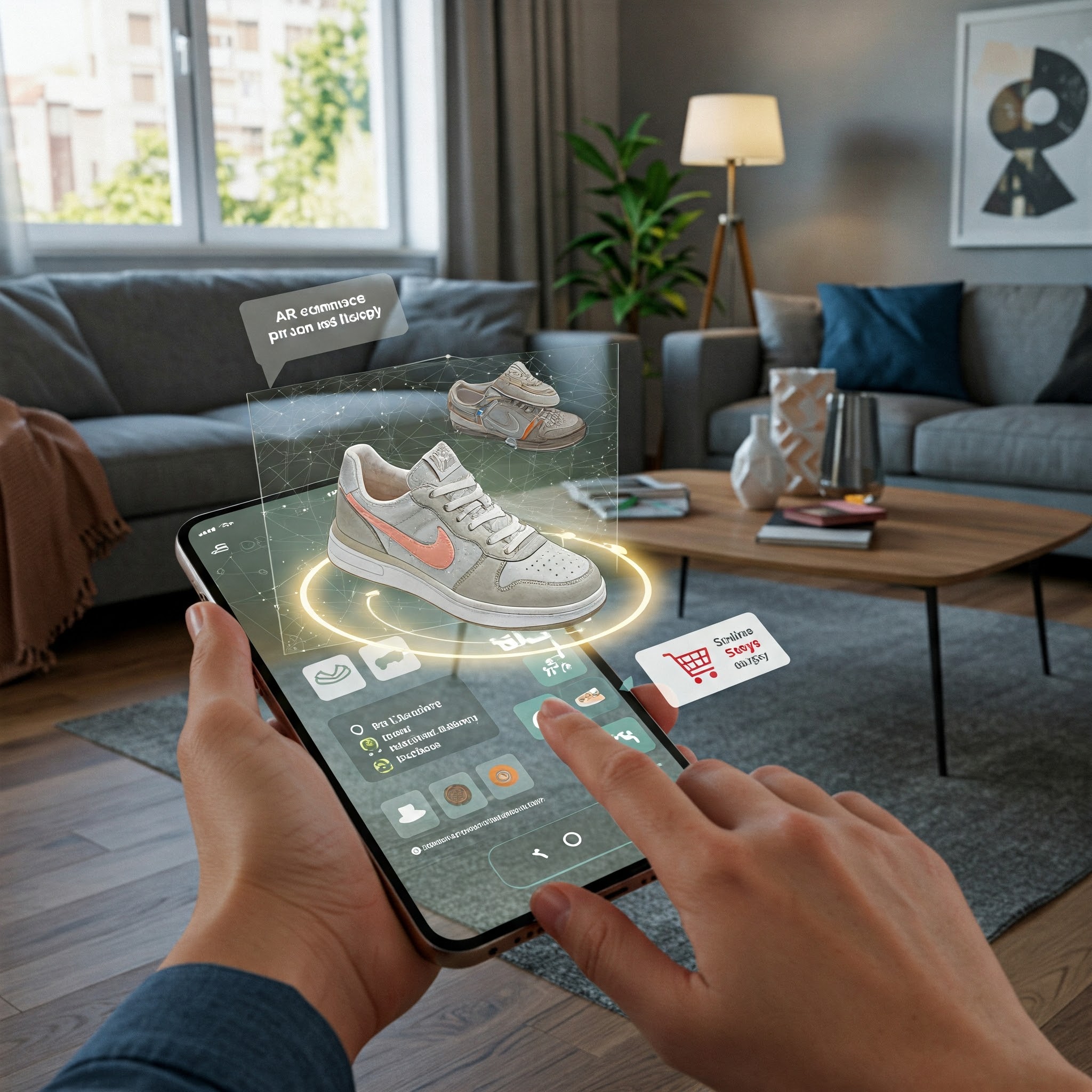
is revolutionizing the online shopping experience by integrating augmented reality (AR) technologies that allow customers to interact with digital products in a more engaging and immersive way. By overlaying 3D models, images, and interactive elements onto the real-world environment through smartphones, tablets, or smart glasses, AR enhances the online shopping experience, making it more personalized and realistic. This technology allows customers to visualize how a product will look or fit in their own environment before making a purchase, reducing the uncertainty associated with online shopping and improving customer satisfaction.
One of the most popular applications of AR in e-commerce is virtual try-ons for fashion and beauty products. For example, customers can try on clothes, shoes, or accessories virtually using AR-powered apps, allowing them to see how the items will look on them without physically trying them on. Similarly, beauty brands offer virtual makeup try-ons, where users can see how a particular lipstick, foundation, or eyeshadow will look on their face through their phone camera. This immersive experience helps customers make more informed purchasing decisions, reducing the likelihood of returns due to mismatched expectations. IKEA Place is another example, where customers can visualize how furniture will fit and look in their homes using their phone’s camera, enabling them to check for size, color, and overall aesthetic in their actual living space before making a purchase.
In addition to fashion and home goods, AR in e-commerce is enhancing the buying process for products in categories such as electronics, automotive, and toys. For example, AR apps allow customers to interact with 3D models of electronic devices, providing a closer look at features and functionalities. In the automotive industry, AR can help users explore cars in detail, from the interior to the exterior, helping them compare models or customize features like colors or wheels. Moreover, AR product demonstrations in e-commerce allow users to see how a product works in a real-world context, increasing confidence in their purchase decisions.
4.AR in Education
AR in Education
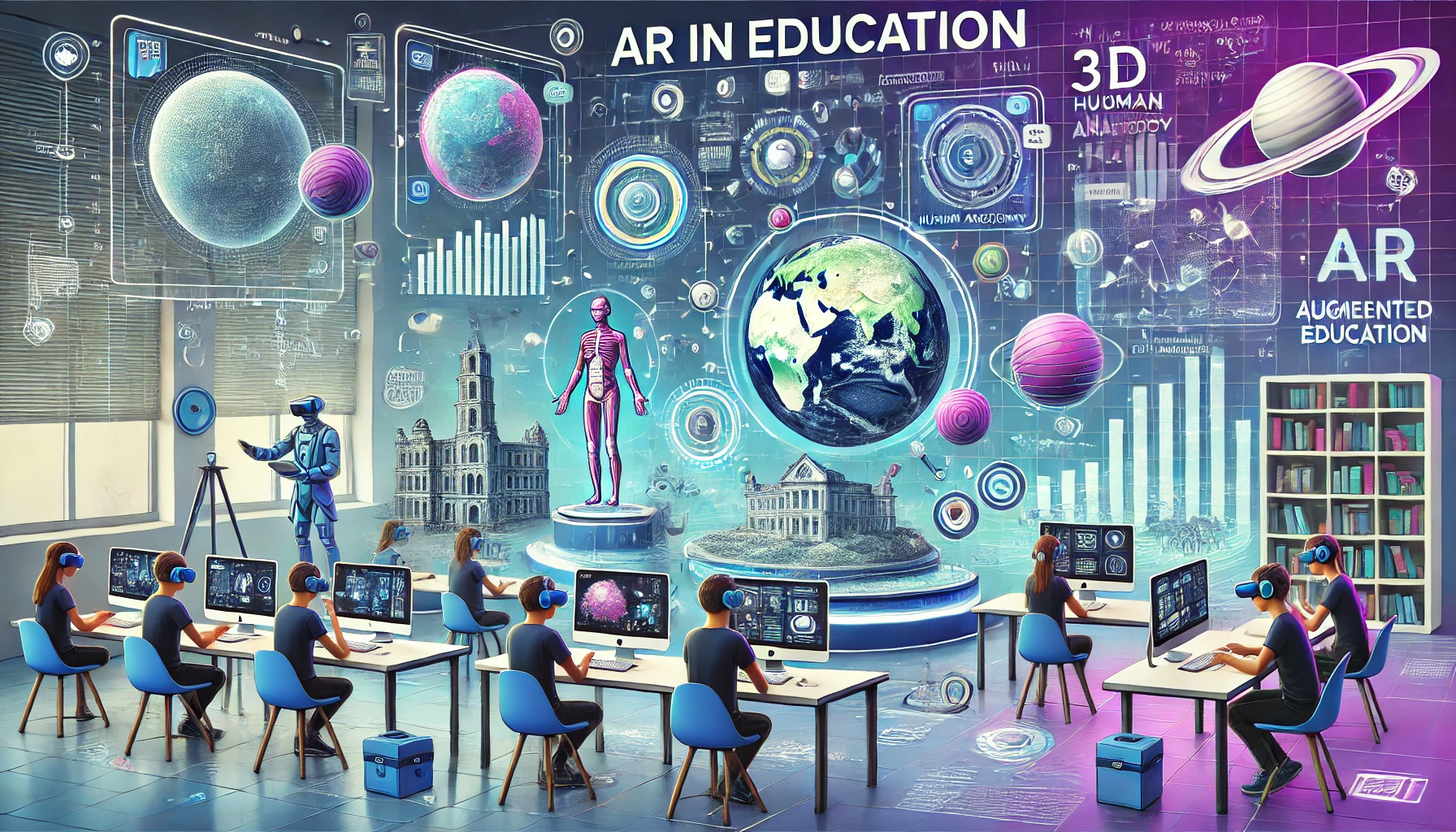
is transforming the way students and educators interact with learning materials by overlaying digital information onto the physical world, creating an interactive and engaging learning experience. Augmented Reality (AR) can bring complex concepts to life by visualizing them in 3D, offering students a deeper understanding of subjects that may otherwise be abstract or hard to grasp. For example, AR apps can animate historical events, display interactive models of the human body, or simulate chemical reactions, allowing students to engage with content in a more hands-on manner. This dynamic approach to learning helps improve retention, as students can directly interact with and explore the material rather than just reading or listening to lectures.
One of the key advantages of AR in education is its ability to create immersive learning environments that are both interactive and personalized. AR tools can adapt to the individual needs of students, providing customized learning experiences based on their pace and understanding of the topic. In subjects like mathematics and science, AR can visualize abstract concepts such as geometry, physics, or chemistry by showing interactive 3D models. For instance, students can explore the solar system by interacting with planets and moons in real-time, or they can manipulate molecular structures to understand chemical bonding better. This kind of immersive learning helps students visualize complex ideas, making them more accessible and easier to comprehend.
AR in education also enhances collaborative learning by allowing students to work together in shared augmented environments, where they can interact with virtual objects, solve problems together, or explore different scenarios. In classroom settings, teachers can use AR-based lessons to engage students in activities like virtual field trips, where they can explore historical sites, natural landscapes, or cultural landmarks without leaving the classroom. AR can also gamify learning, turning educational content into interactive games that make learning fun and competitive. In fields such as medical education, engineering, or architecture, AR enables students to practice and explore real-world scenarios, such as surgery or building design, in a safe, controlled virtual environment. By integrating AR into the classroom, educators can enhance student engagement, improve learning outcomes, and provide more innovative teaching methods.
5.AR Social Media Filters
AR Social Media Filters
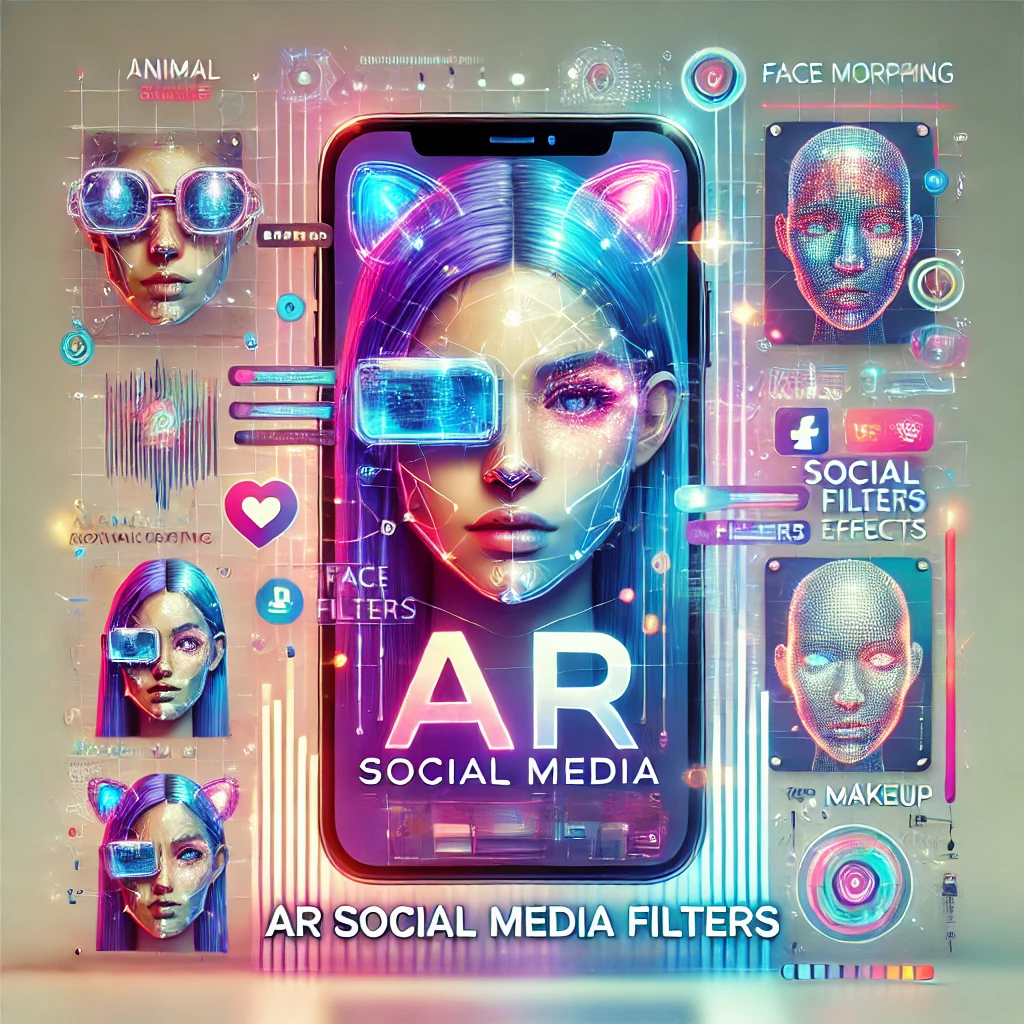
are one of the most popular and widely used applications of Augmented Reality (AR), offering users the ability to enhance their photos and videos by overlaying digital effects onto their real-world environment in real-time. These filters are integrated into social media platforms like Instagram, Snapchat, and TikTok, where users can apply various effects, animations, and virtual objects to their faces or surroundings. These filters can range from simple adjustments, such as changing facial features (e.g., adding makeup or animal ears), to more complex effects like transforming the background, adding virtual elements, or even altering the user’s appearance with 3D avatars.
One of the most notable features of AR filters is their ability to track facial features and adapt the digital content accordingly. For example, Snapchat's Lenses use face-tracking technology to apply animated effects, such as dog ears, hats, or even morphing the face into different characters. This creates an interactive and fun experience for users, as they can create unique, personalized content that is shared with friends and followers. Social media filters also allow for real-time interaction, as users can see and interact with the digital effects while capturing their photos or videos, making the process more engaging and enjoyable.
In addition to entertainment and fun, AR filters on social media have also become a powerful tool for brands and influencers. Companies are now using AR filters as part of their marketing strategies to engage with their audience, promote products, or run campaigns. For example, brands can create filters that allow users to virtually try on products like makeup, sunglasses, or even clothes, giving them an opportunity to interact with the brand in a more immersive and personalized way. These filters also help brands gain visibility and increase brand engagement, as users share their experiences with their followers. Moreover, AR filters allow influencers and content creators to experiment with unique visuals and storytelling techniques, further enhancing their creative output and engagement on social media.
6.AR-based Virtual Try-ons
AR-based Virtual Try-ons
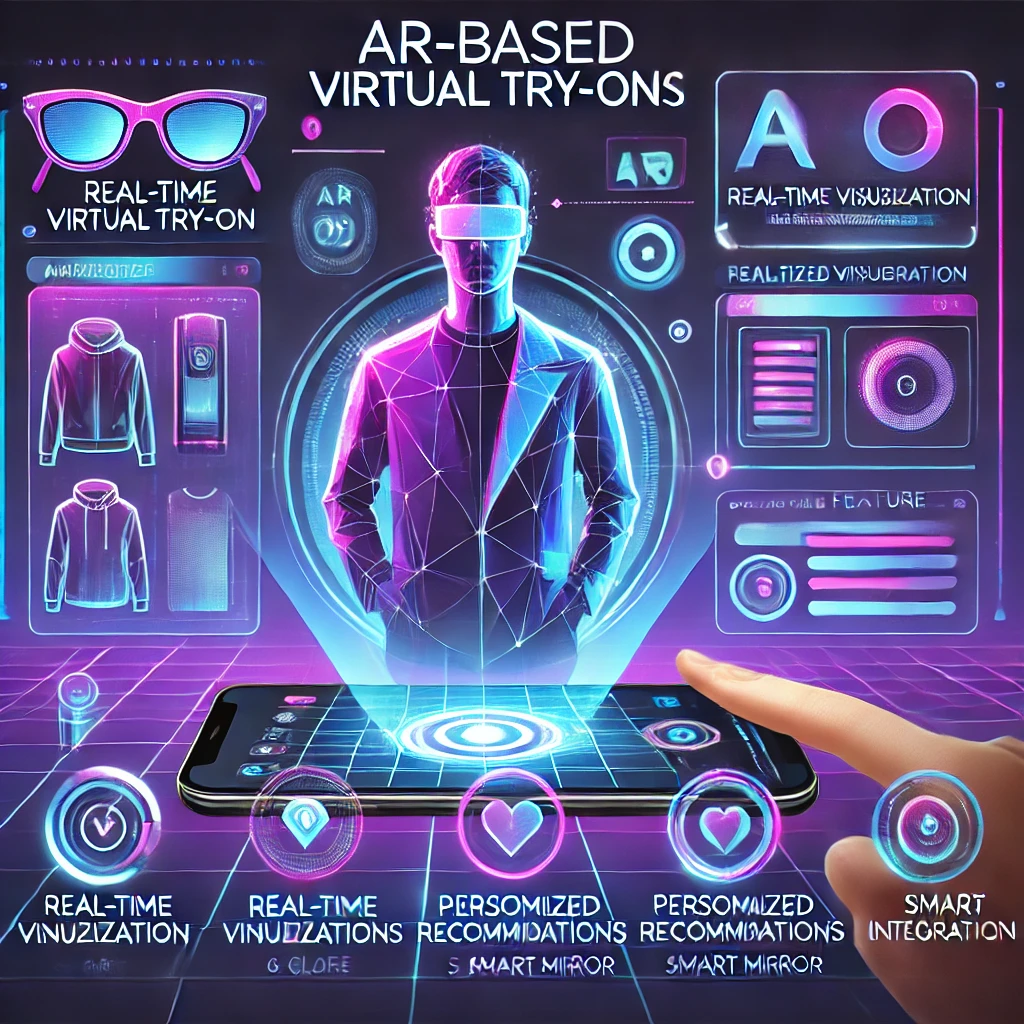
are revolutionizing the way consumers shop online by allowing them to try products virtually before making a purchase. Through Augmented Reality (AR) technology, consumers can visualize how products such as clothes, accessories, makeup, eyewear, and shoes will look on them without having to physically try them on. This technology works by overlaying a digital version of the product onto the user’s real-world environment in real time, often using their smartphone, tablet, or AR glasses. This virtual experience simulates the look and fit of the product, providing users with a more interactive and immersive shopping experience.
For fashion and beauty brands, AR-based virtual try-ons offer a unique way to engage customers. For example, makeup brands allow users to try different products like lipstick, eyeshadow, or foundation virtually through AR apps, showing how these products would appear on their face in real time. Similarly, fashion retailers allow customers to see how clothes, shoes, and accessories would look on their body by using AR to fit the items to their size and shape. This virtual fitting room eliminates the need for trying on multiple items in-store, especially when shopping online, and reduces the uncertainty consumers often face about product fit, color, or size.
One of the significant advantages of AR-based virtual try-ons is the reduction of returns. By providing a more accurate representation of the product, customers are more confident in their purchase decisions, which decreases the likelihood of buying items that don’t meet their expectations. This is especially beneficial for e-commerce platforms, as it helps improve customer satisfaction and reduces operational costs related to handling returns. Additionally, AR try-ons enhance customer engagement by offering a personalized experience, allowing users to experiment with different styles, colors, or products in a way that feels unique to their preferences.
7.AR in Tourism & Travel
AR in Tourism & Travel
enhancing the way travelers explore destinations by providing immersive, interactive experiences that enrich the overall journey. Augmented Reality (AR) technology allows travelers to access real-time information, historical context, and navigation assistance directly through their smartphones or AR glasses, creating a more personalized and engaging travel experience. For example, tourists visiting historical sites or museums can use AR apps to view digital overlays, such as 3D reconstructions of ancient monuments or interactive displays about famous artworks. This adds layers of context that enrich the cultural experience, allowing users to engage with the history and significance of landmarks in a way that traditional guidebooks or signage cannot.
In tourism, AR is also being used to provide augmented navigation and location-based services. Travelers can use AR to get step-by-step directions in real-time, with digital arrows or markers appearing in their view to guide them through unfamiliar streets or to points of interest. Additionally, some tourism apps use AR to highlight nearby restaurants, shops, or attractions, giving users recommendations based on their current location. For example, while exploring a city, a tourist might point their phone at a building or monument and instantly receive information about its history, opening hours, or visitor reviews. This instant access to location-based data helps travelers make informed decisions and navigate new environments with ease.
Furthermore, AR in tourism is transforming hotel experiences and airport services. Hotels can integrate AR to offer virtual tours of their amenities or rooms before booking, helping customers visualize their stay. In airports, AR can enhance the journey by providing real-time updates about flight status, baggage claims, or directions to boarding gates. Additionally, AR can assist with language translation, helping tourists communicate better in foreign countries by instantly translating signs, menus, or conversations through their device. As AR technology continues to improve, it is expected to play an even bigger role in reshaping the travel industry by offering deeper, more personalized experiences that make traveling easier, more informative, and much more engaging.

8.AR-based Smart Mirrors
AR-based Smart Mirrors are innovative devices that combine Augmented Reality (AR) with mirrors to create immersive and interactive experiences in various industries, particularly in retail, fitness, and personal care. These mirrors use AR technology to overlay digital information or virtual objects onto the real-time reflection of the user. For example, in a fashion retail setting, AR smart mirrors allow customers to try on clothes, accessories, or makeup virtually without physically changing into the items. The mirror uses a combination of cameras, motion sensors, and AR software to map the user’s reflection and display digital versions of the products on their image, giving them a clear view of how the items would look without any physical interaction. This creates an engaging, time-saving shopping experience for customers and allows them to experiment with different looks and styles.
In fitness settings, AR smart mirrors are being used to enhance workout routines by providing real-time feedback on posture, technique, and progress. These mirrors often have integrated sensors and cameras to track the user’s movements and superimpose helpful visual cues or instructions onto the reflection. For example, a user practicing yoga or strength training in front of an AR mirror can receive on-screen prompts to adjust their position, ensuring proper form and reducing the risk of injury. This immersive technology helps create a more interactive and effective workout experience by acting as a personalized fitness coach without the need for external devices or trainers.
AR-based smart mirrors are also making waves in the beauty industry, allowing customers to virtually apply makeup or skincare products before purchasing them. Beauty brands use these mirrors in-store to help customers experiment with different products, such as foundation shades, lipsticks, or eyeshadow, in real time. The smart mirrors display digital makeovers by applying the chosen products directly onto the user’s reflection, helping them visualize how the items would look on their skin tone or face shape. This technology not only enhances the customer experience but also reduces the uncertainty and frustration of choosing the wrong products. With advancements in AI and AR, smart mirrors are expected to evolve further, offering even more personalized, accurate, and engaging experiences across various sectors.
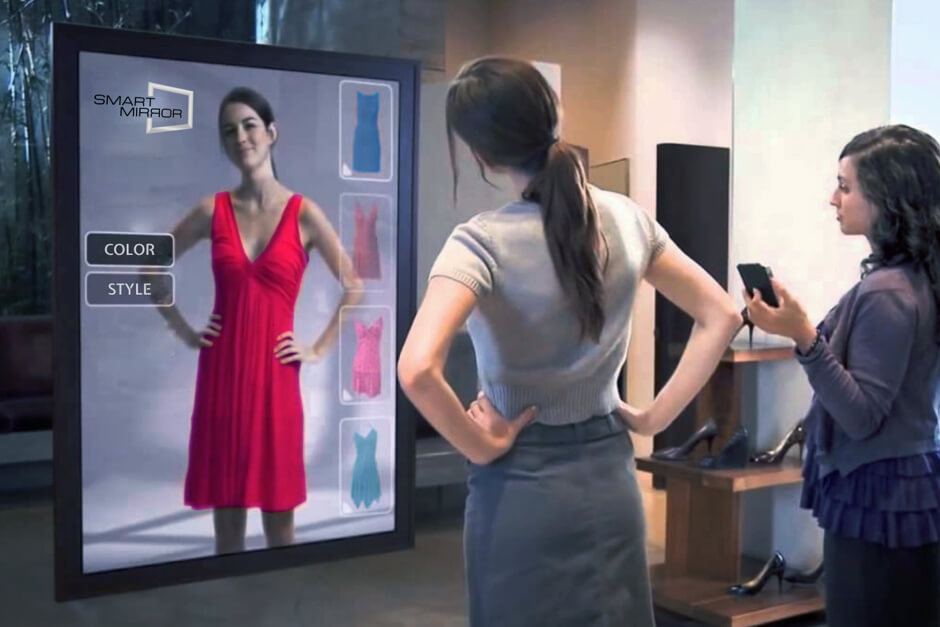
AR-based Smart Mirrors are innovative devices that combine Augmented Reality (AR) with mirrors to create immersive and interactive experiences in various industries, particularly in retail, fitness, and personal care. These mirrors use AR technology to overlay digital information or virtual objects onto the real-time reflection of the user. For example, in a fashion retail setting, AR smart mirrors allow customers to try on clothes, accessories, or makeup virtually without physically changing into the items. The mirror uses a combination of cameras, motion sensors, and AR software to map the user’s reflection and display digital versions of the products on their image, giving them a clear view of how the items would look without any physical interaction. This creates an engaging, time-saving shopping experience for customers and allows them to experiment with different looks and styles.
In fitness settings, AR smart mirrors are being used to enhance workout routines by providing real-time feedback on posture, technique, and progress. These mirrors often have integrated sensors and cameras to track the user’s movements and superimpose helpful visual cues or instructions onto the reflection. For example, a user practicing yoga or strength training in front of an AR mirror can receive on-screen prompts to adjust their position, ensuring proper form and reducing the risk of injury. This immersive technology helps create a more interactive and effective workout experience by acting as a personalized fitness coach without the need for external devices or trainers.
AR-based smart mirrors are also making waves in the beauty industry, allowing customers to virtually apply makeup or skincare products before purchasing them. Beauty brands use these mirrors in-store to help customers experiment with different products, such as foundation shades, lipsticks, or eyeshadow, in real time. The smart mirrors display digital makeovers by applying the chosen products directly onto the user’s reflection, helping them visualize how the items would look on their skin tone or face shape. This technology not only enhances the customer experience but also reduces the uncertainty and frustration of choosing the wrong products. With advancements in AI and AR, smart mirrors are expected to evolve further, offering even more personalized, accurate, and engaging experiences across various sectors.
Comments